
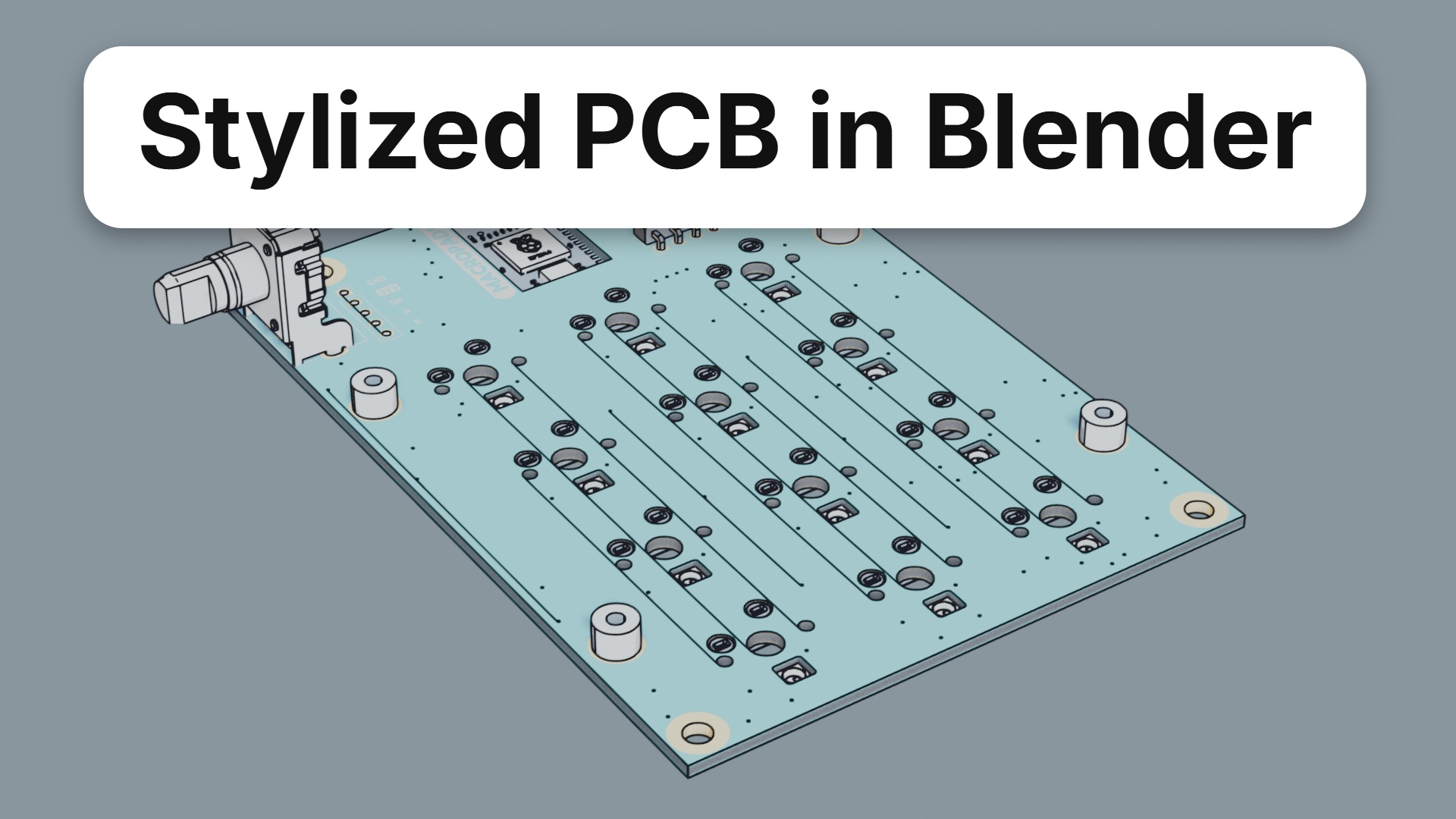
How to transform raw KiCad boards into vibrant, anime-style 3D renders using pcb2blender, stepped cel shading in EEVEE, and Grease Pencil LineArt.
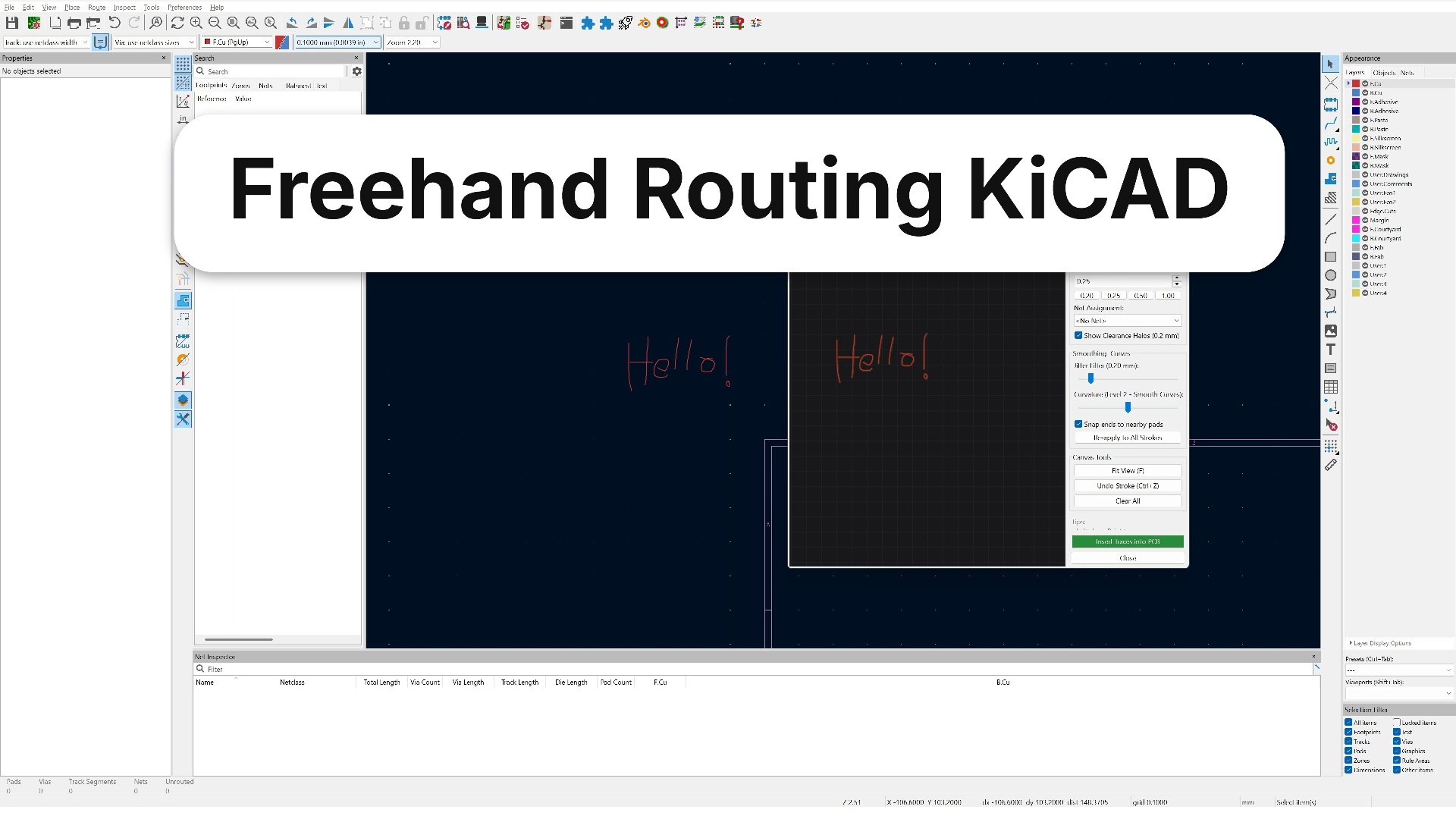
How to route artistic, curved, and freehand traces in KiCad 9 using Ramer-Douglas-Peucker jitter reduction, Chaikin curvature smoothing, and pad snapping.

How to automate complete PCB fabrication releases—Gerbers, drill, pick-and-place, BOM, 3-page assembly PDFs, and 3D renders—using kicad-cli and Python action plugins.

How to set up an enterprise CI/CD pipeline for KiCad 8/9 using KiBot, GitHub Actions, hierarchical schematics, and automated visual diffs.

HARDWARE-ENGINEERING
Machine-Readable Hardware Requirements: Building a KiCad 9 Engineering Pipeline
How to eliminate hardware drift and build rigorous hardware requirements gates using YAML schemas, automated traceability, and KiCad 9 layout extractors.
How to configure, maintain, and version-control an enterprise KiCad 9 SQLite database library (.kicad_dbl) with generic symbols, 3D models, and automated intake tooling.

How to project 2D vector SVG artwork into a 3D-printable spherical candle lampshade that casts sharp optical light-and-shadow patterns onto a tabletop.
3D-PRINTING
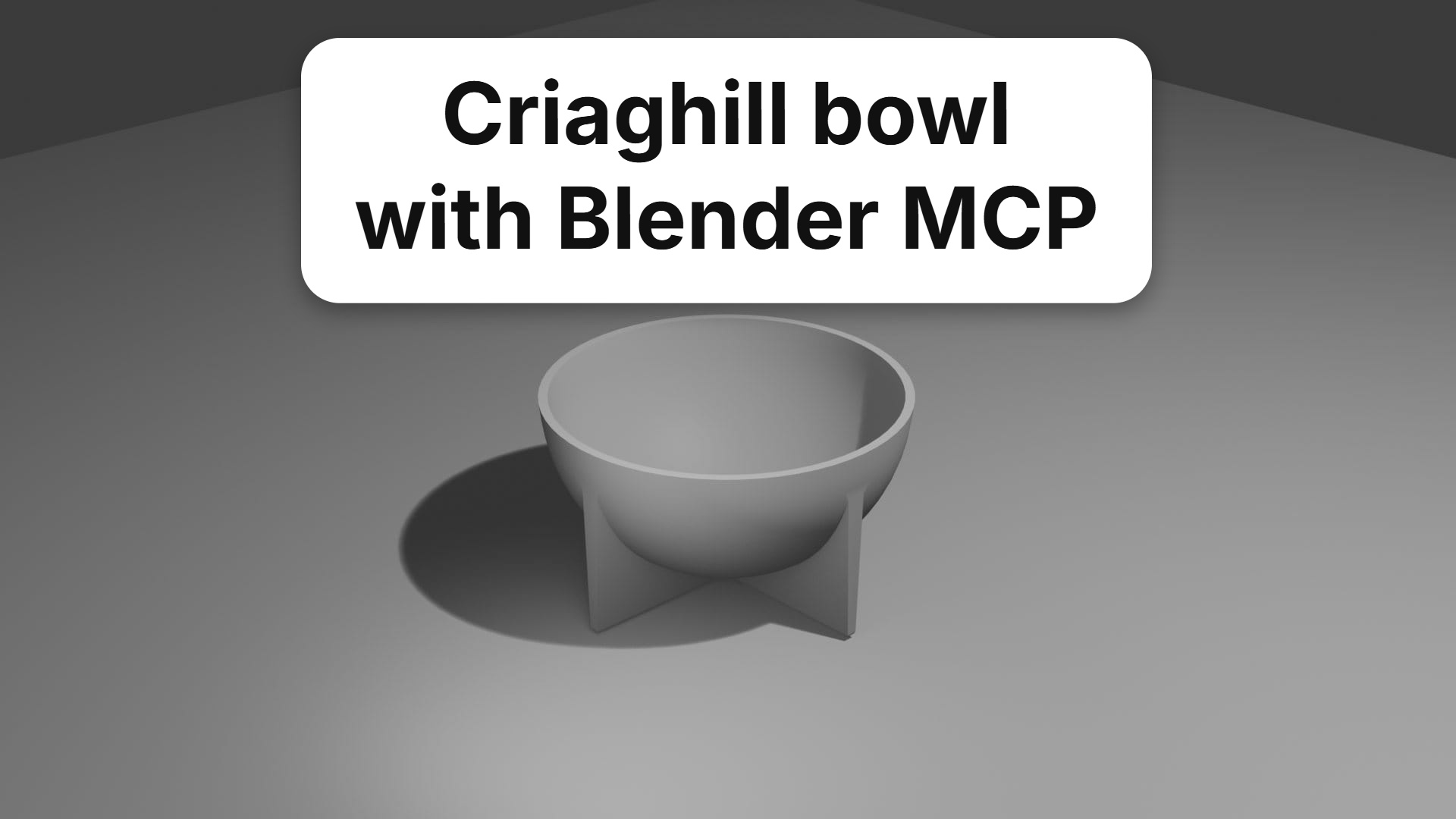
Reverse-Engineering the Craighill Standing Bowl: Procedural CSG and Rolling Fillets in Blender MCP
How to programmatically model the iconic Craighill standing catchall bowl using Blender MCP, exact boolean unions, and continuous rolling-ball fillets.
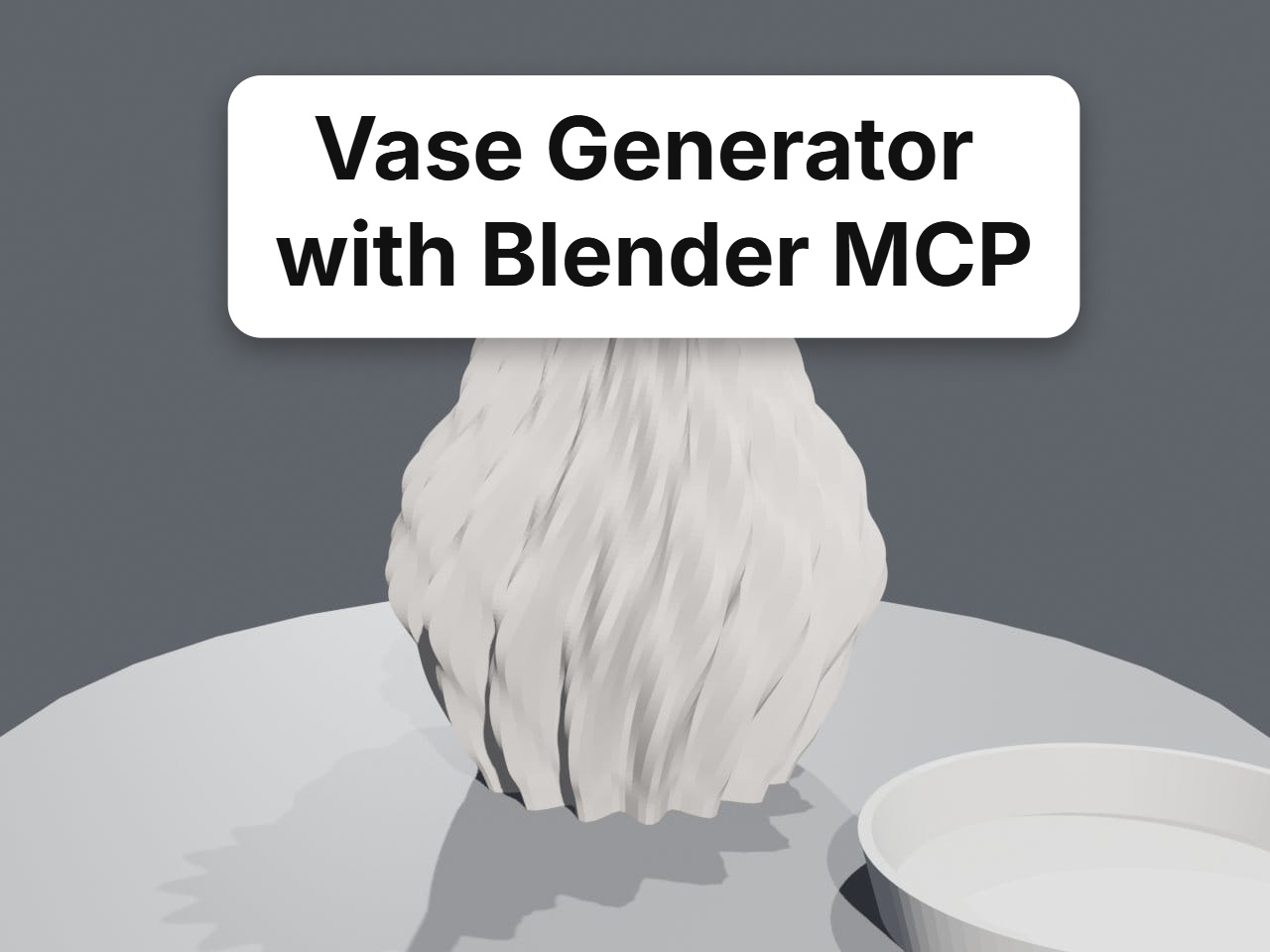
Architecture of a procedural 3D modeling generator in Blender supporting Hermite splines, organic clay ripples, knurling, continuous twist, and planter drainage tubes.
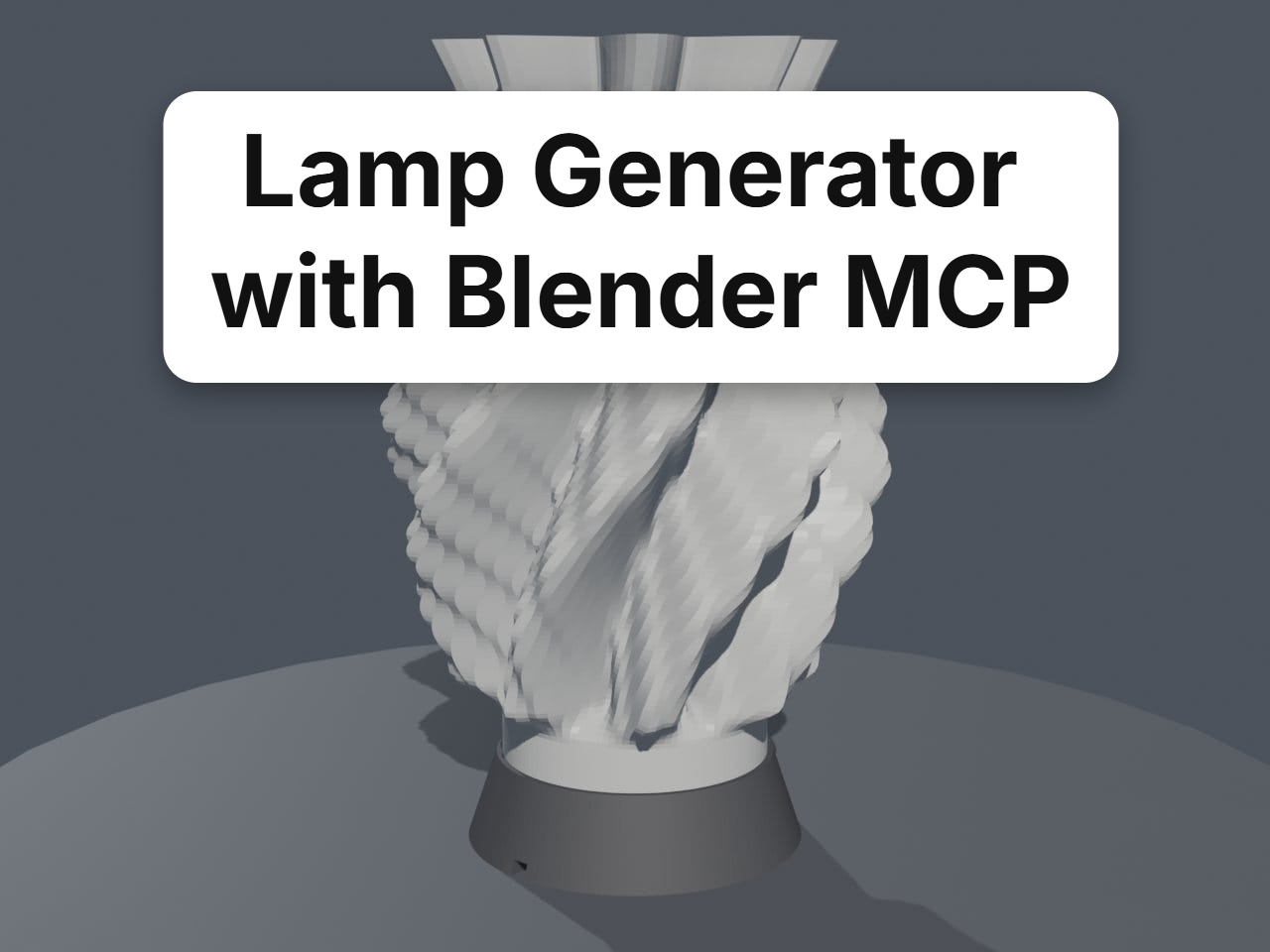
How to build a procedural lighting generator in Blender supporting Bambu Lab LED Kit 001, E27/E14 sockets, under-base cable tracks, and vase-mode shades.