Core One Assembly, Add-ons, and Initial Prints
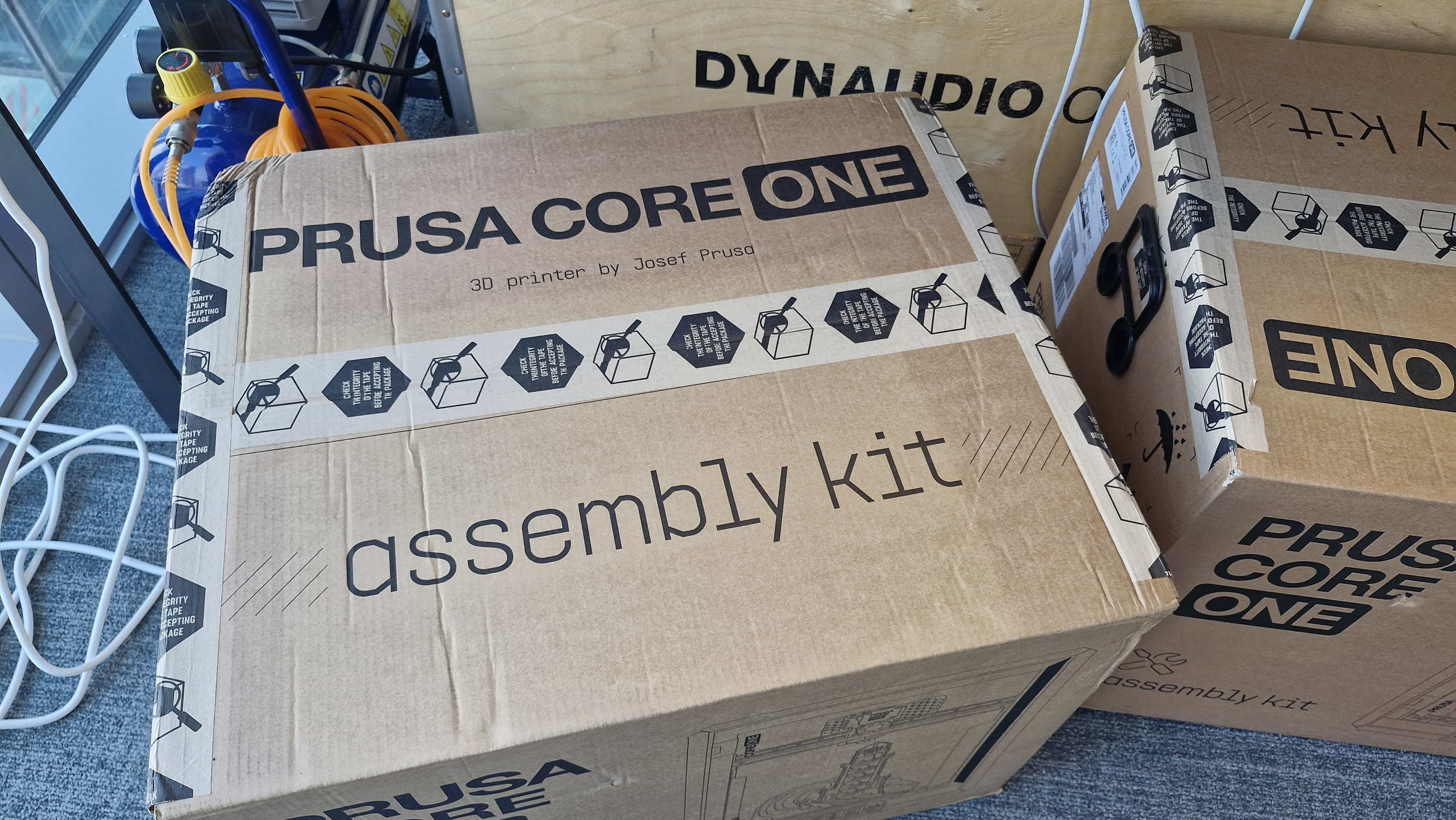
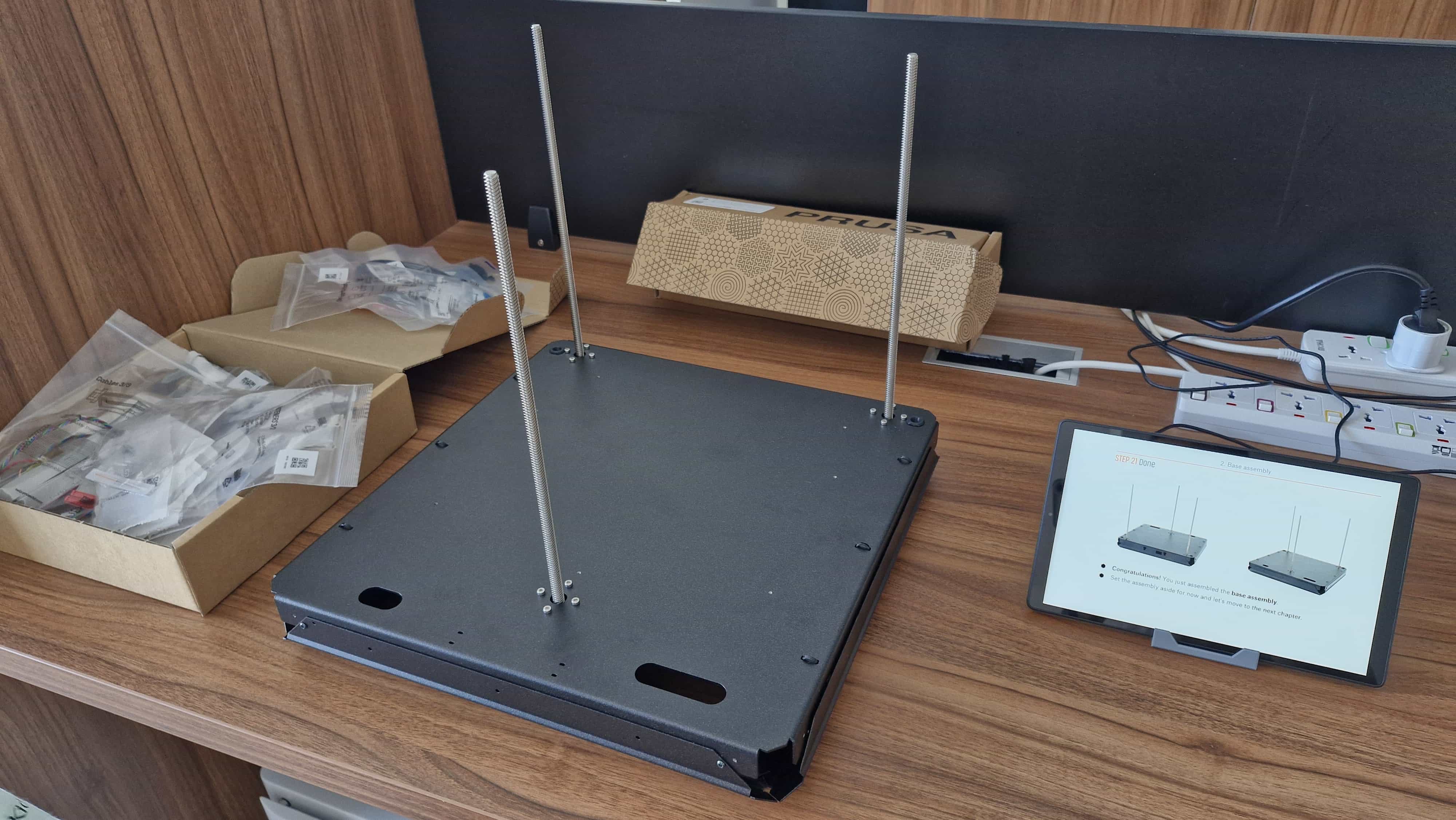
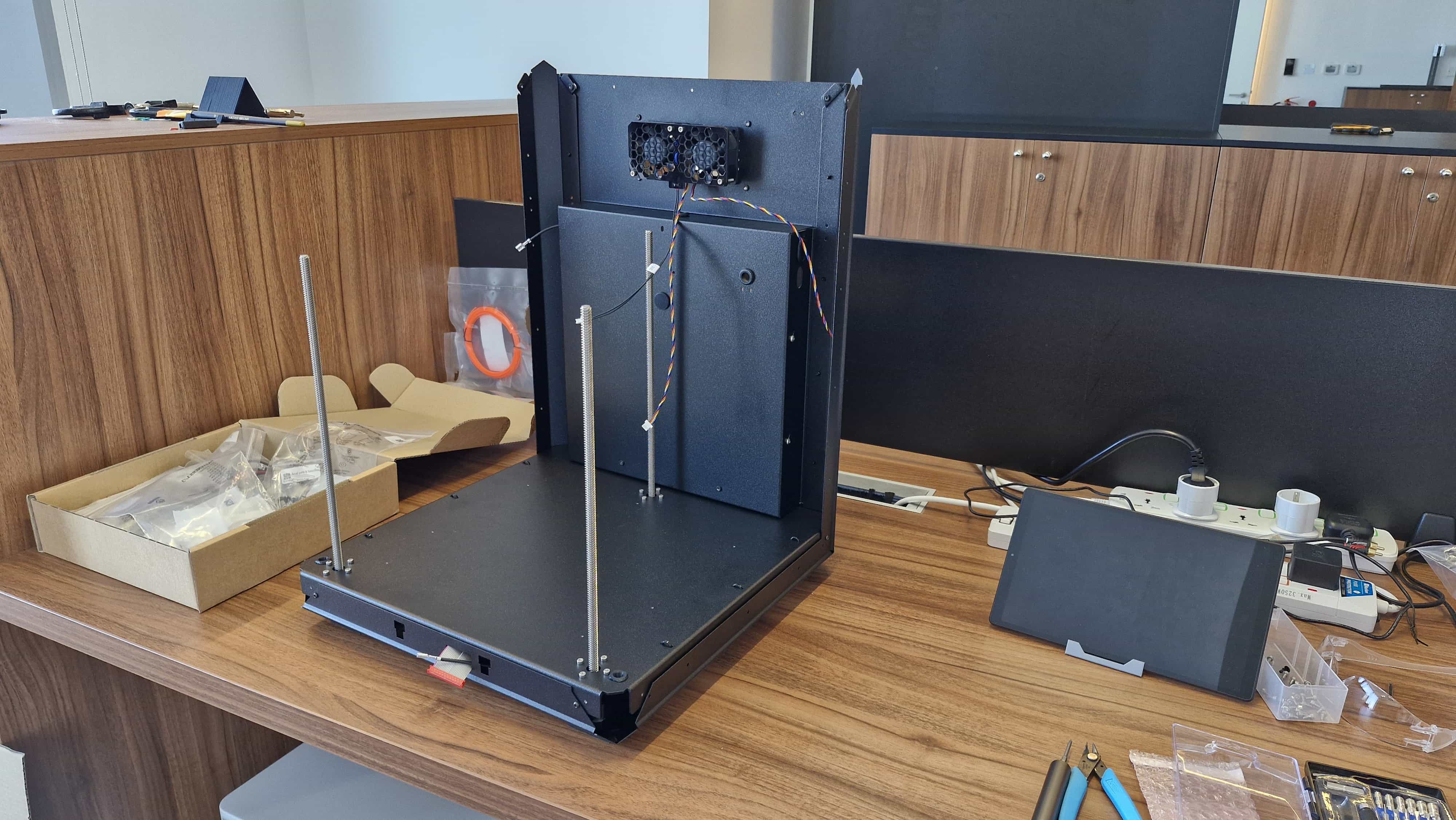
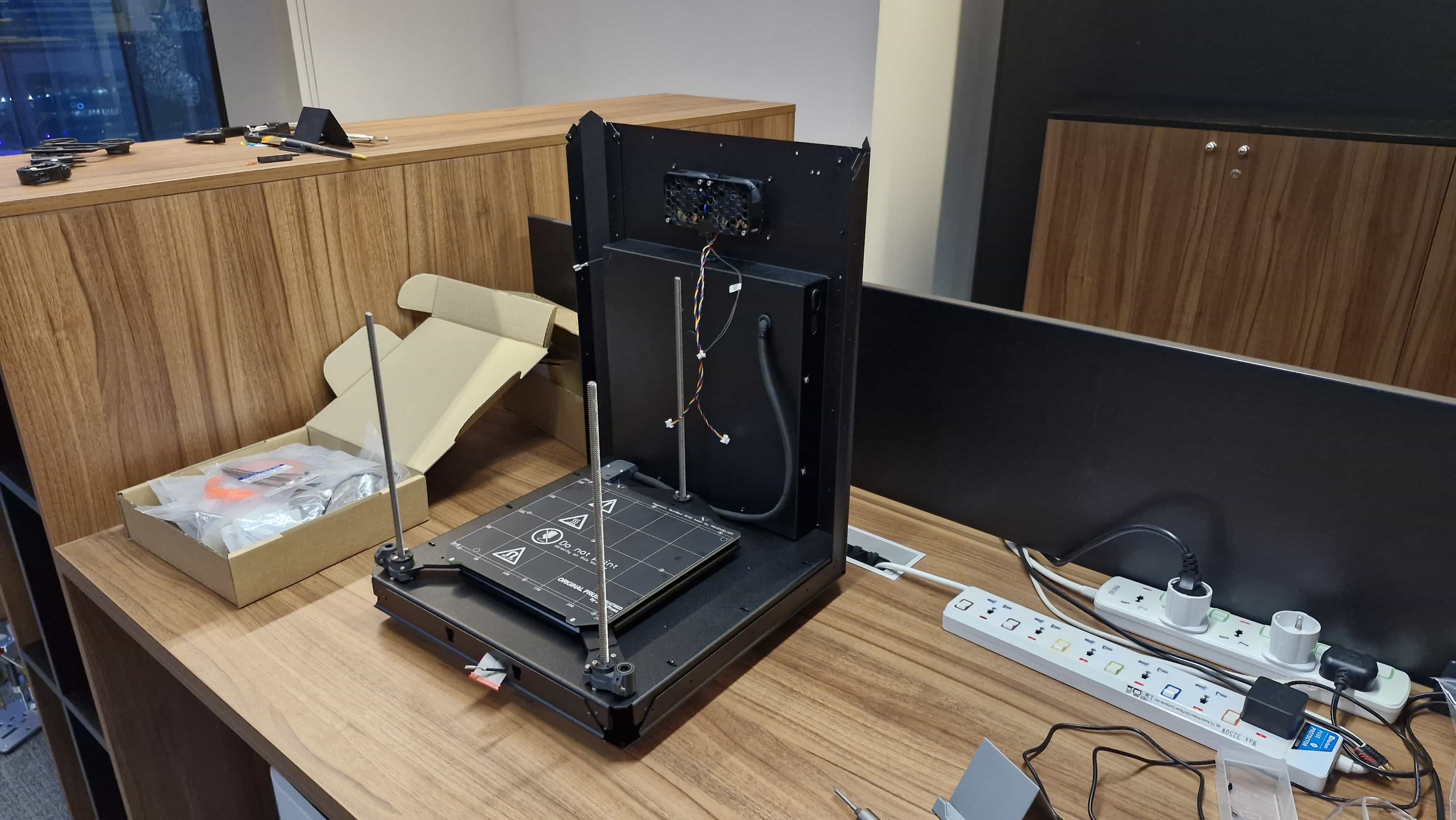
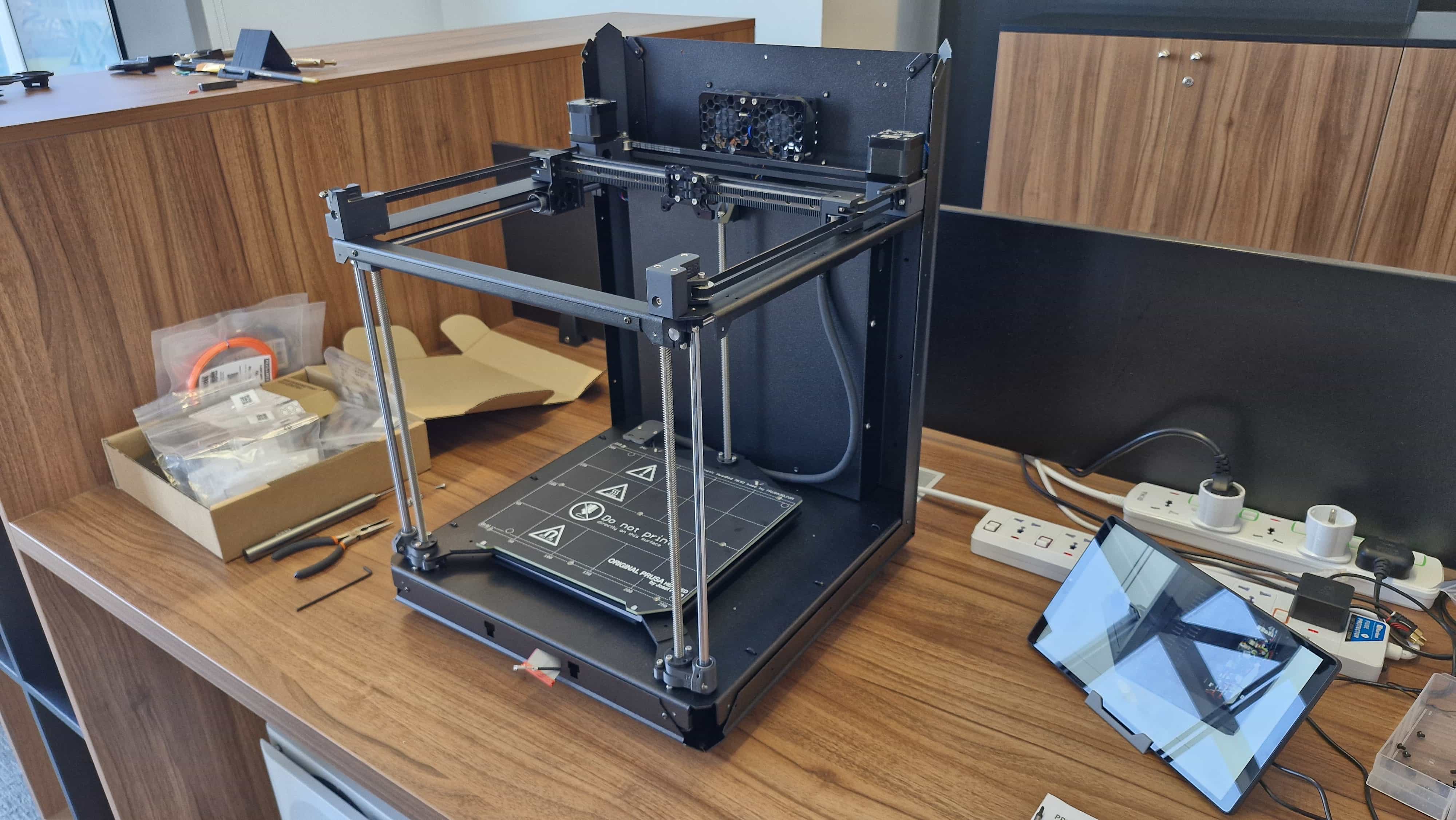
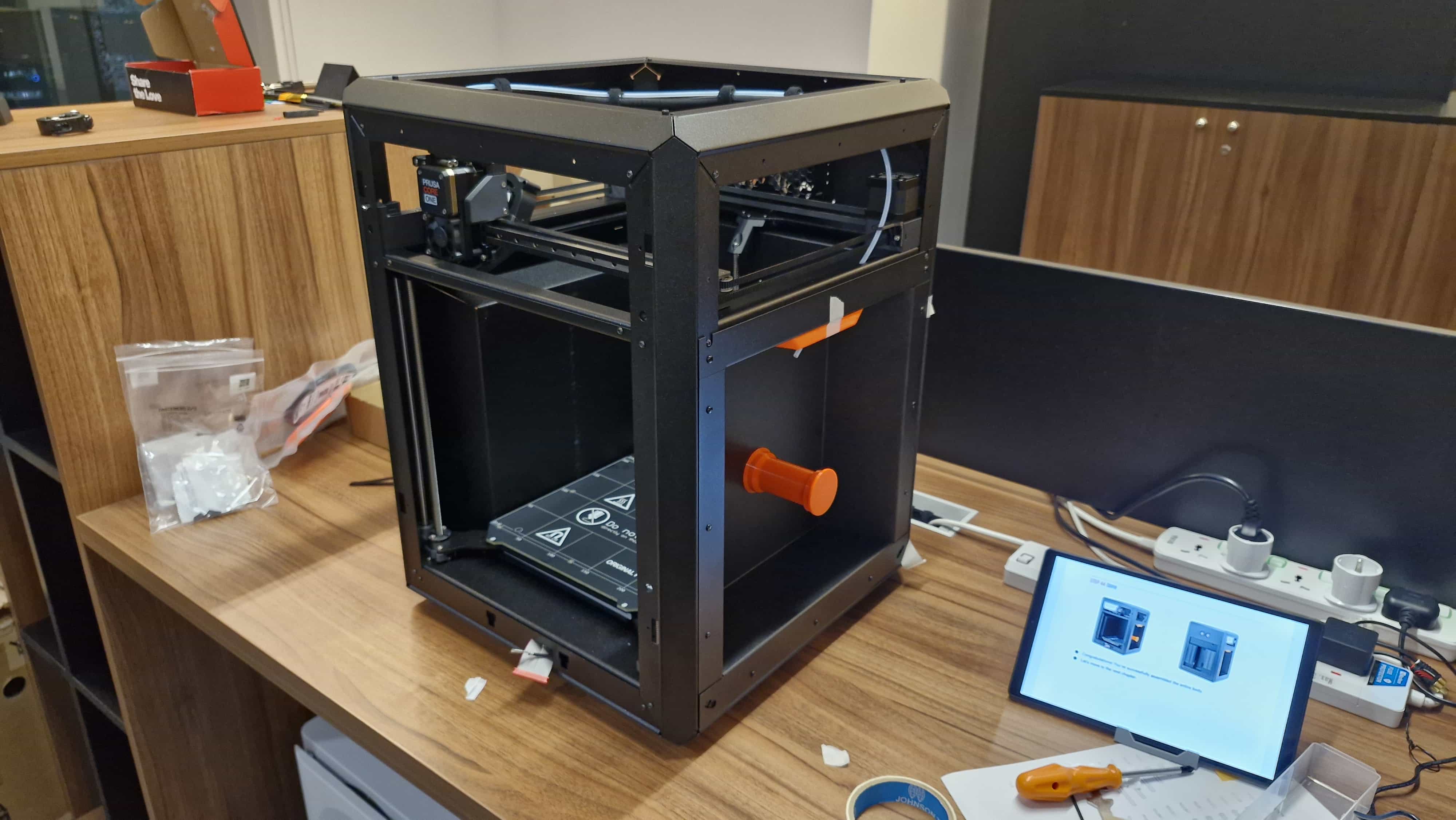
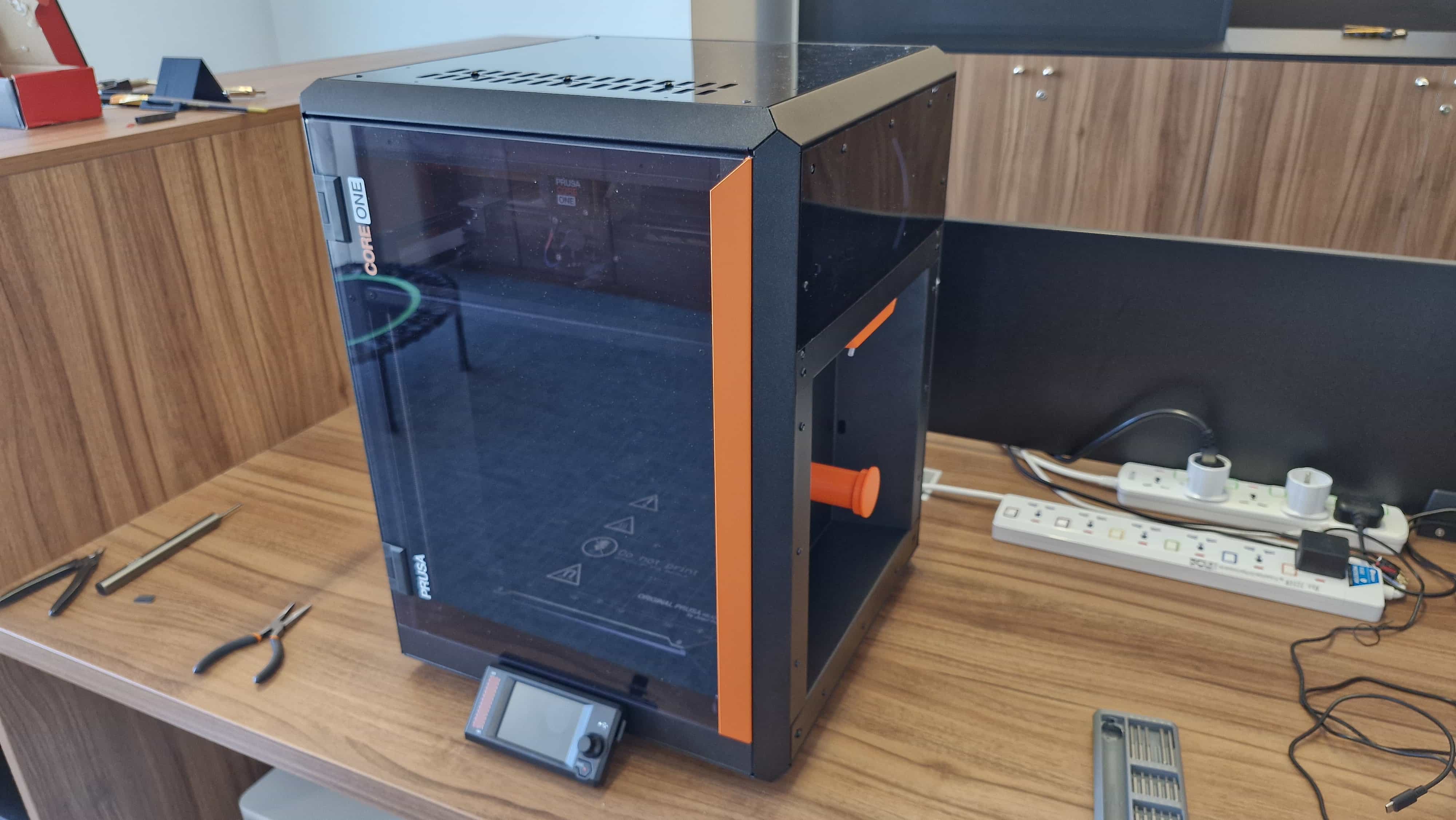
After being around 3D printers for almost a decade, I finally purchased my first personal machine: the Prusa Core One kit. I’ve assembled a Prusa MK3 at work before, so I roughly knew what I was getting into. As expected from Prusa, the assembly instructions were clear and easy to follow.
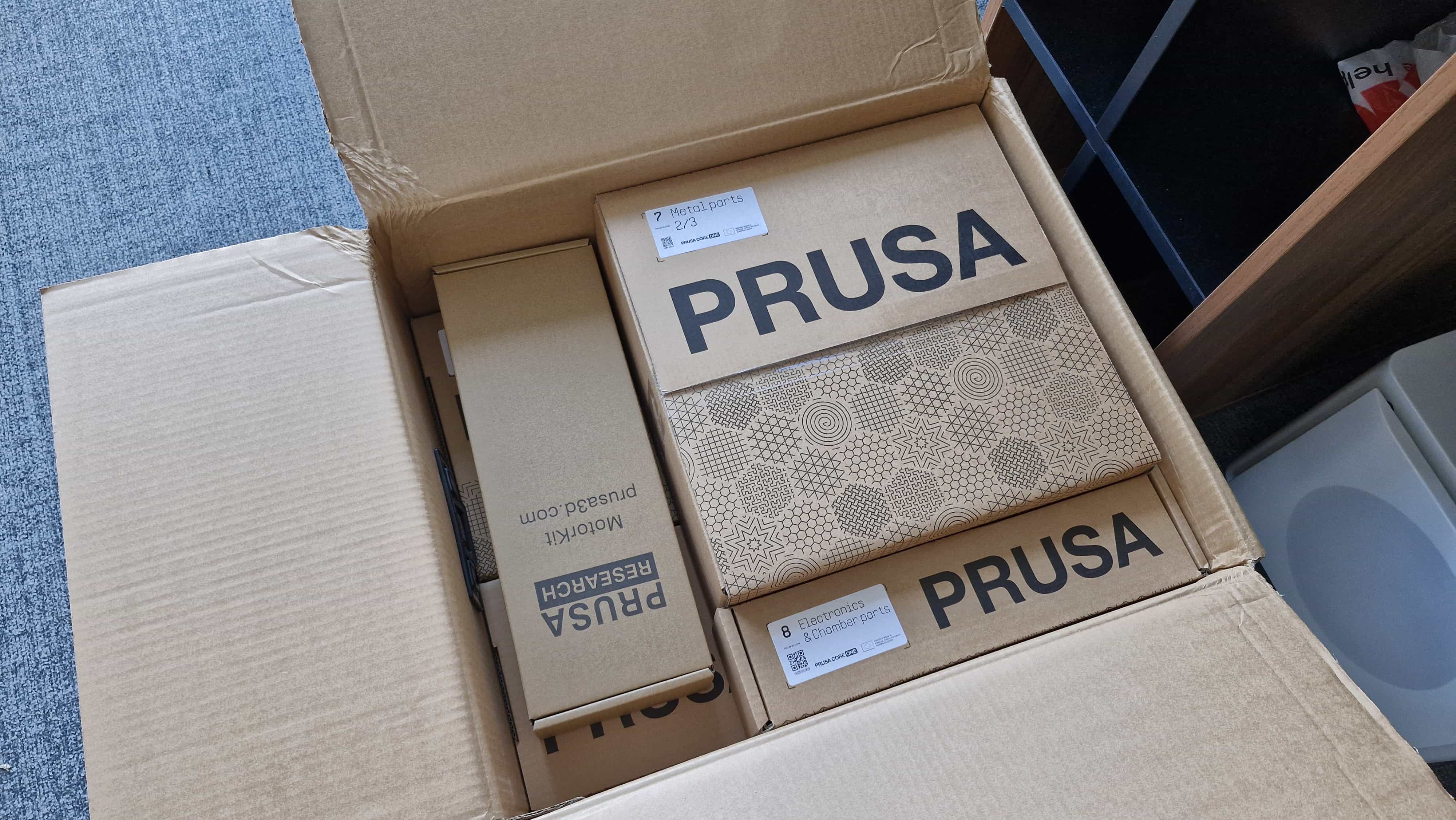
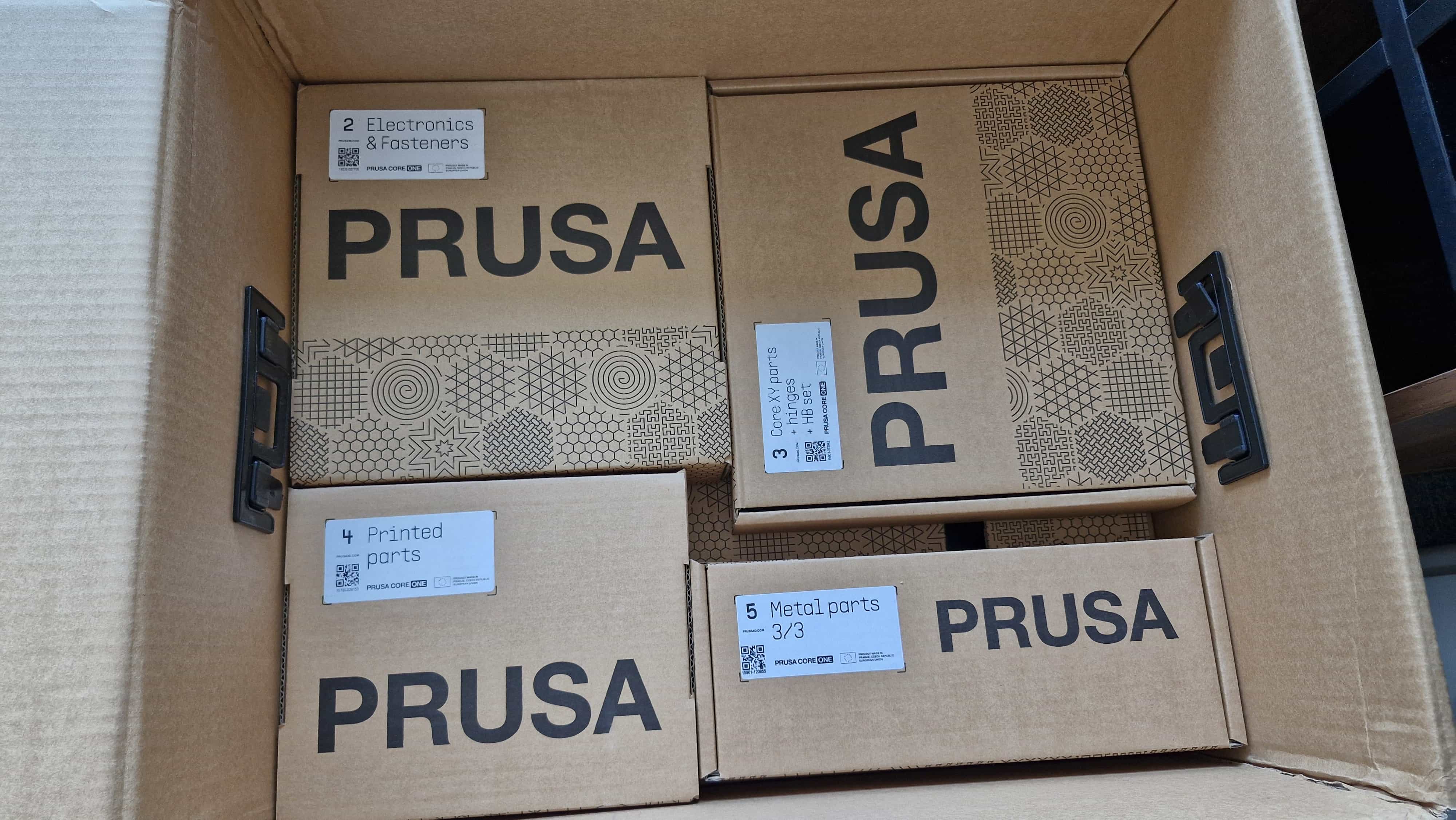
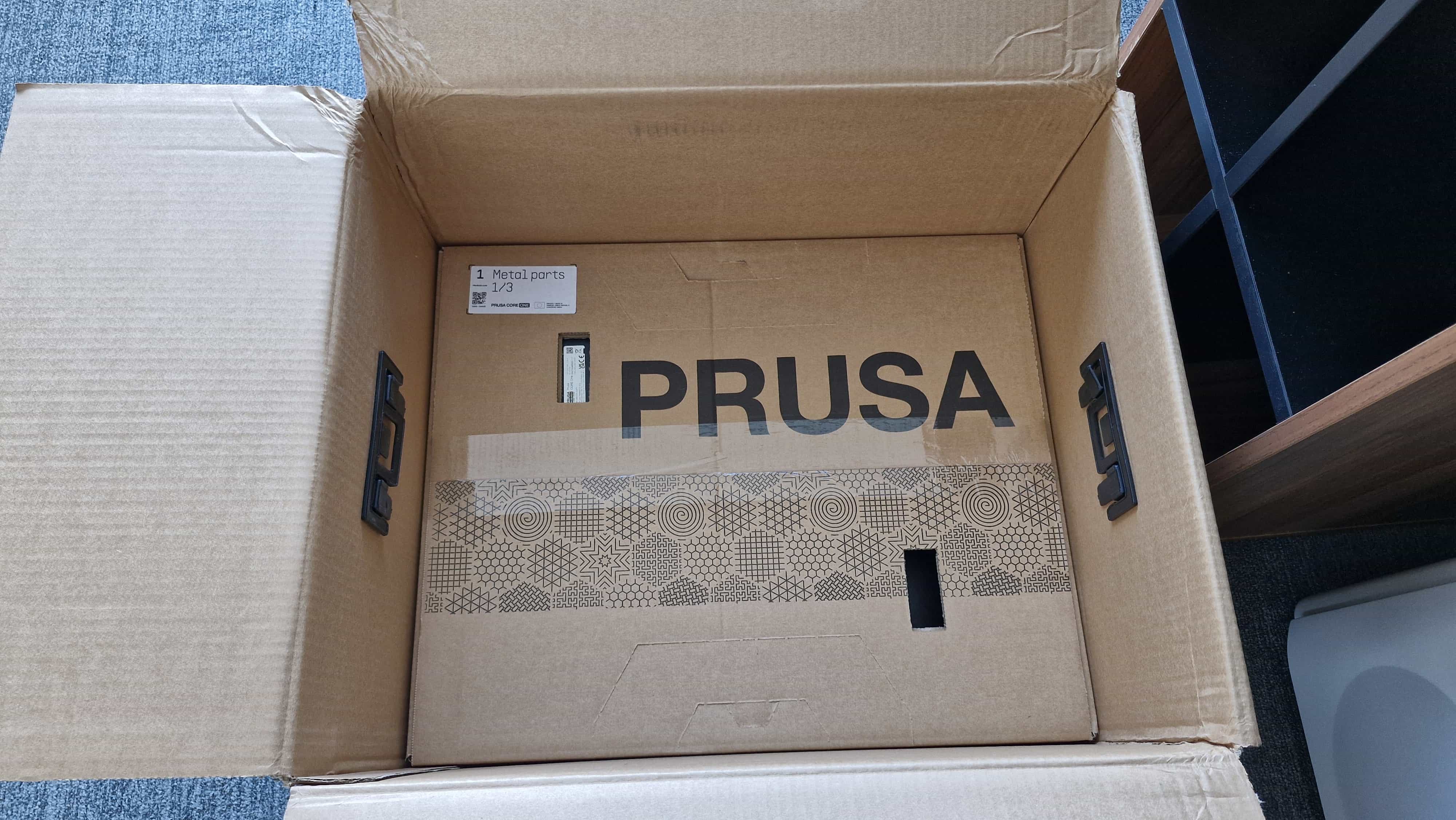
That said, there’s still room for improvement—especially in how the parts are distributed across the boxes. A bit more optimization there would make the build process smoother.
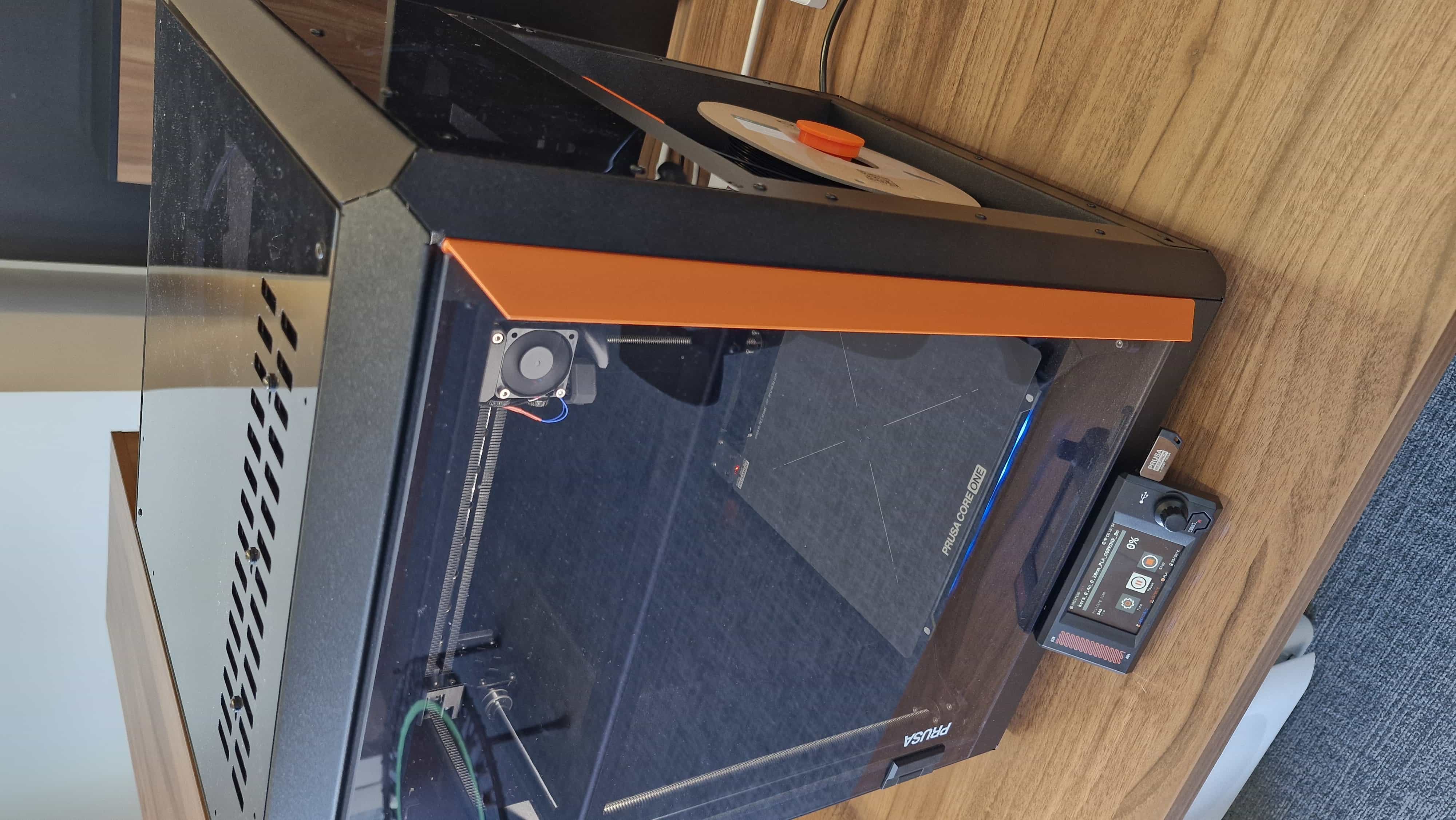
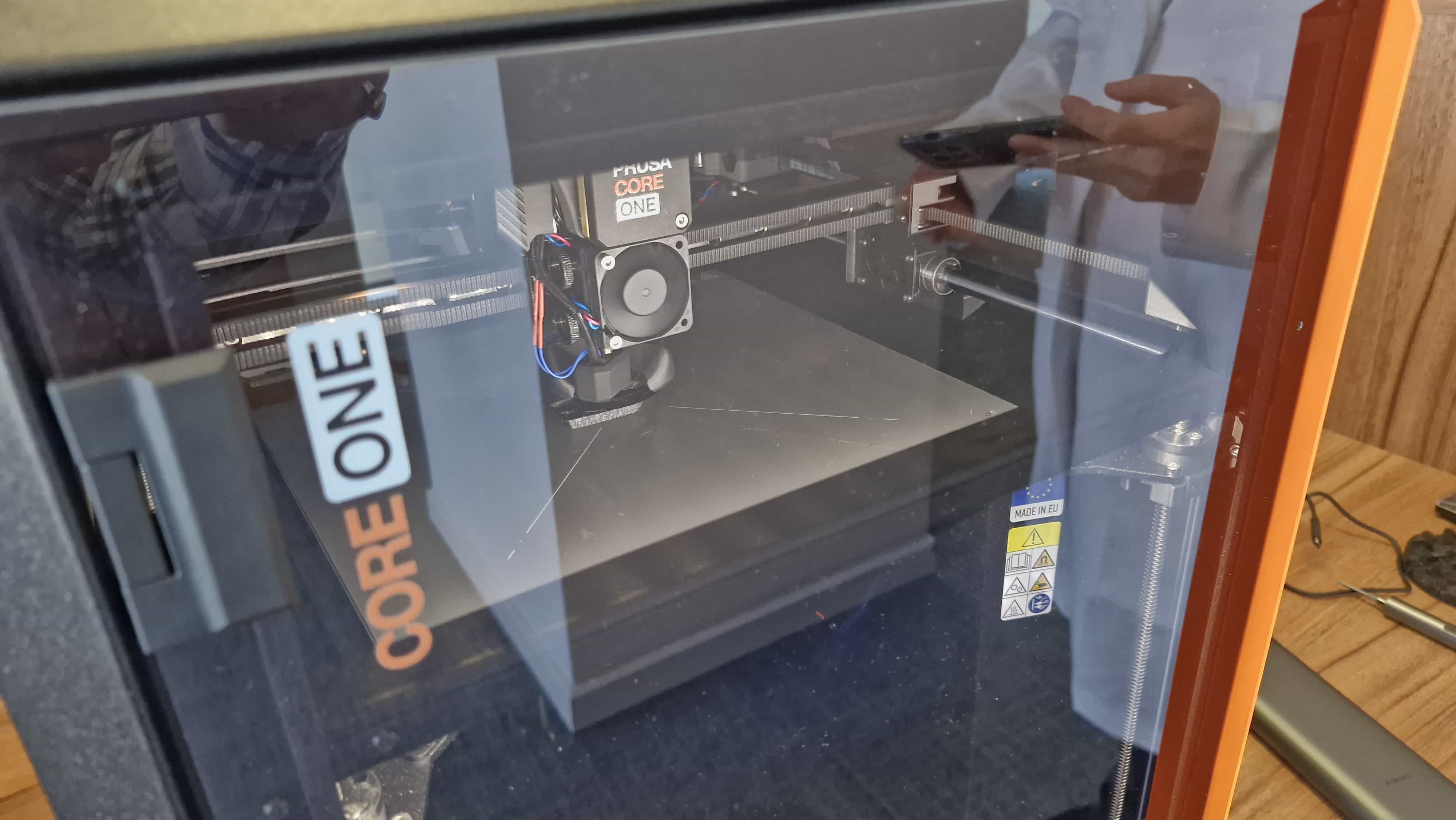
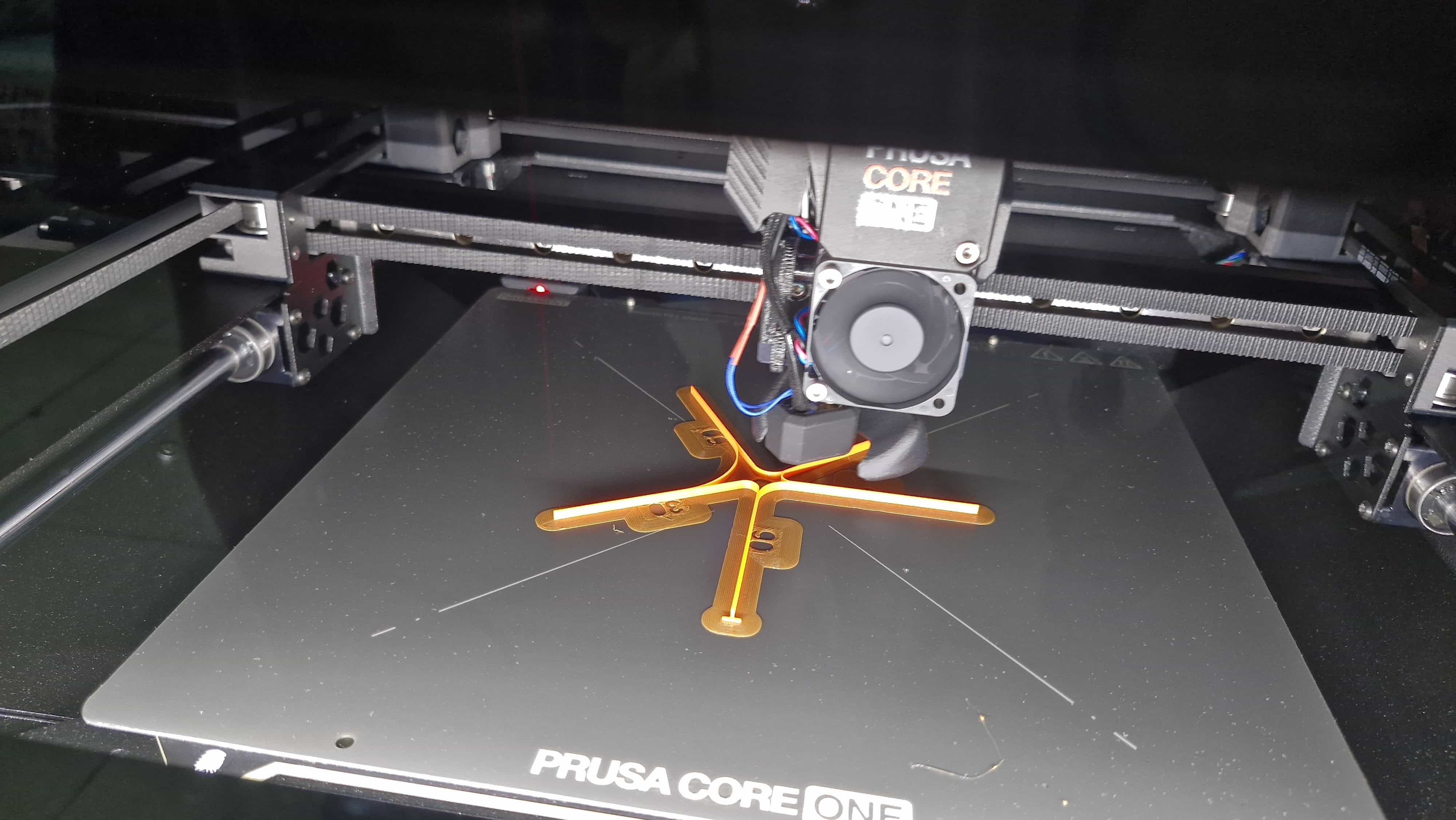
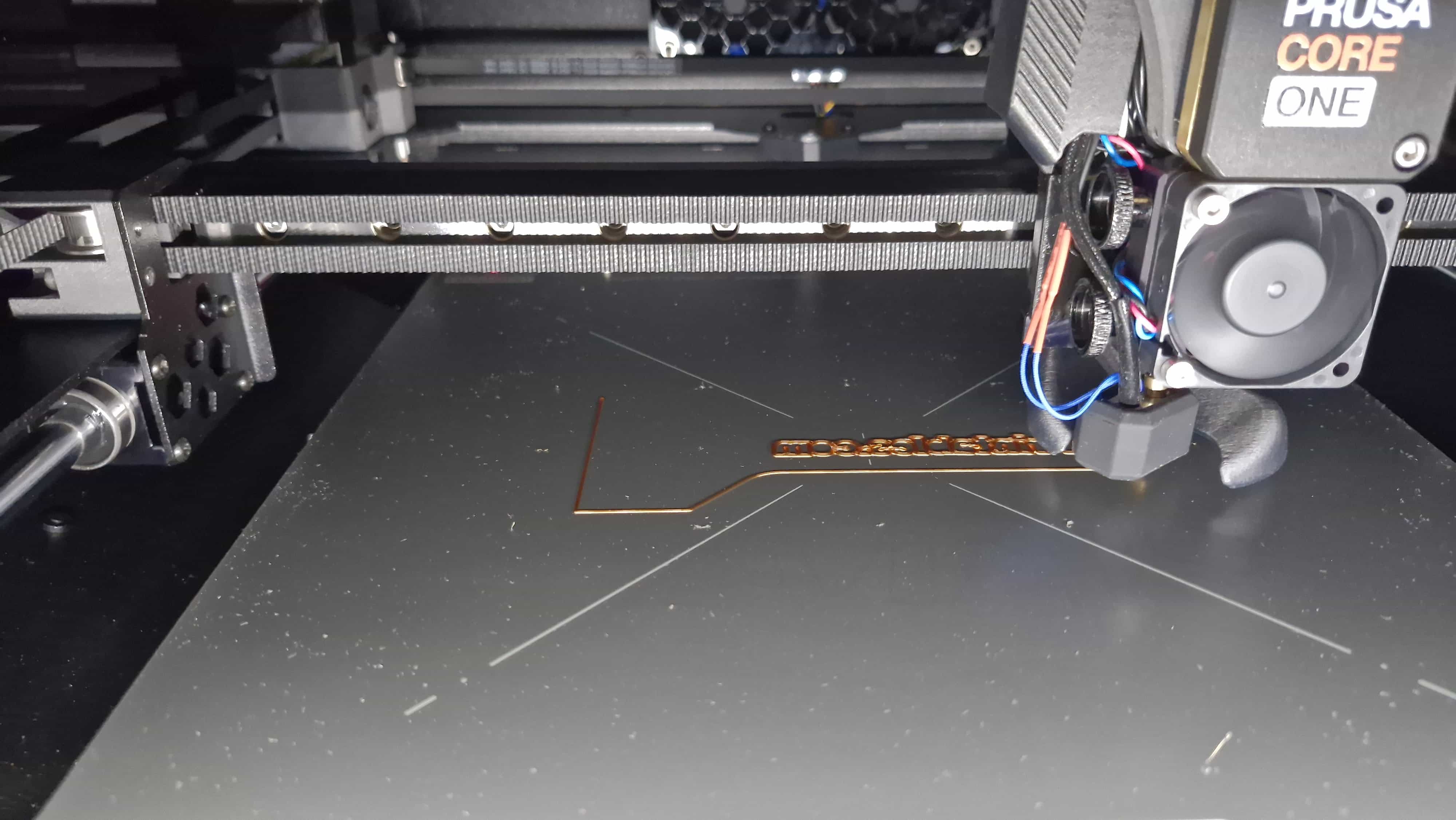
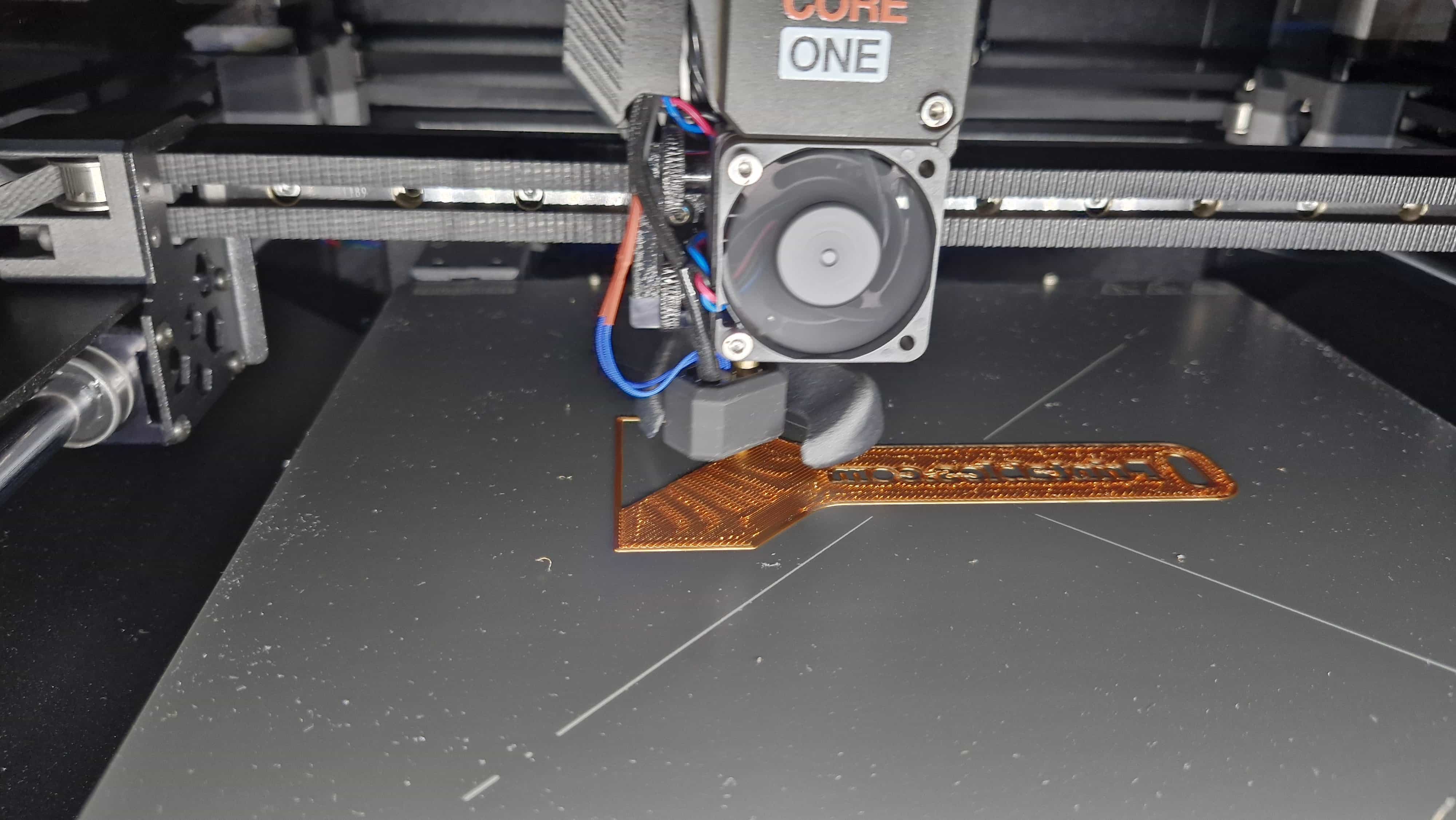
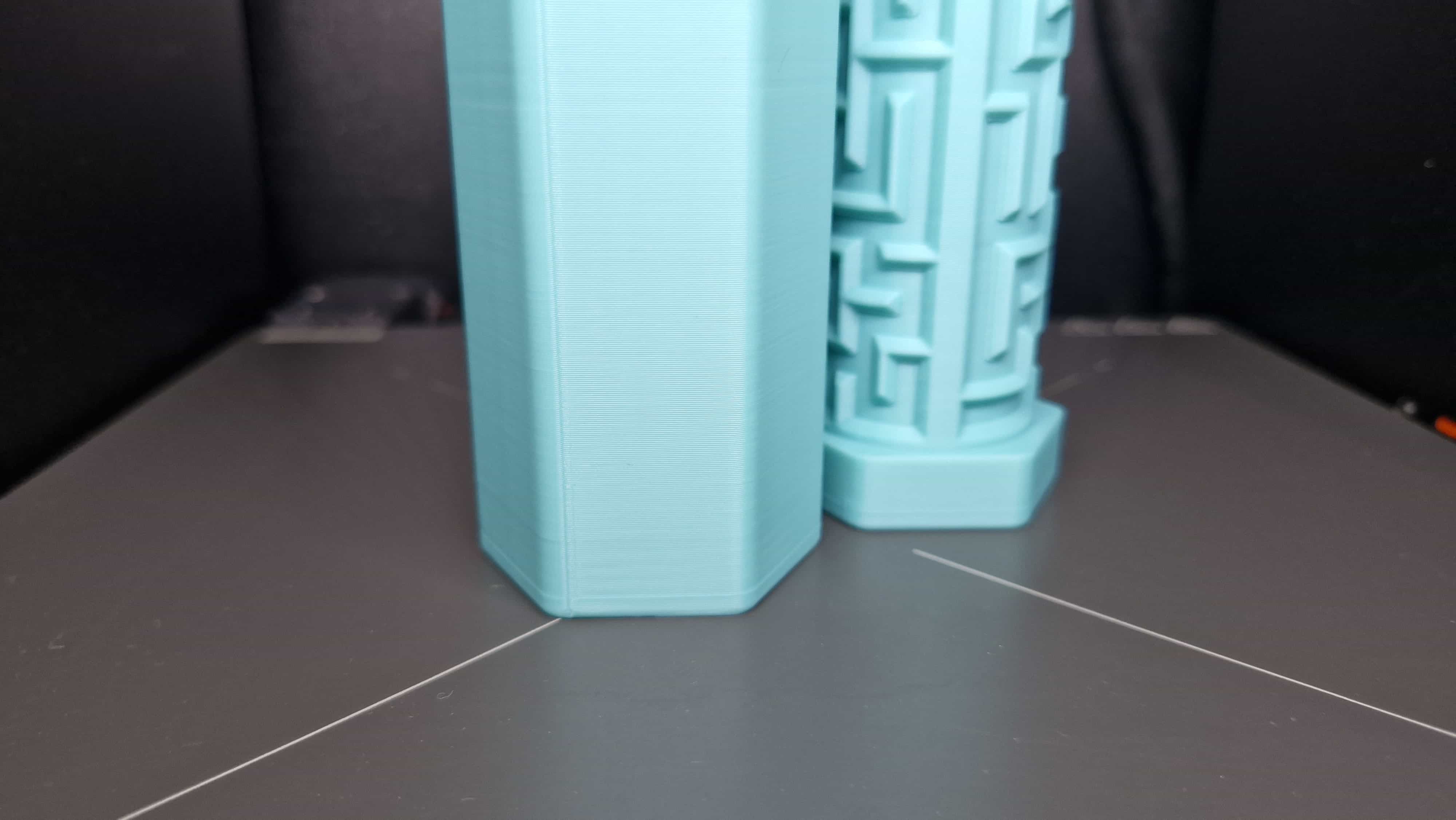
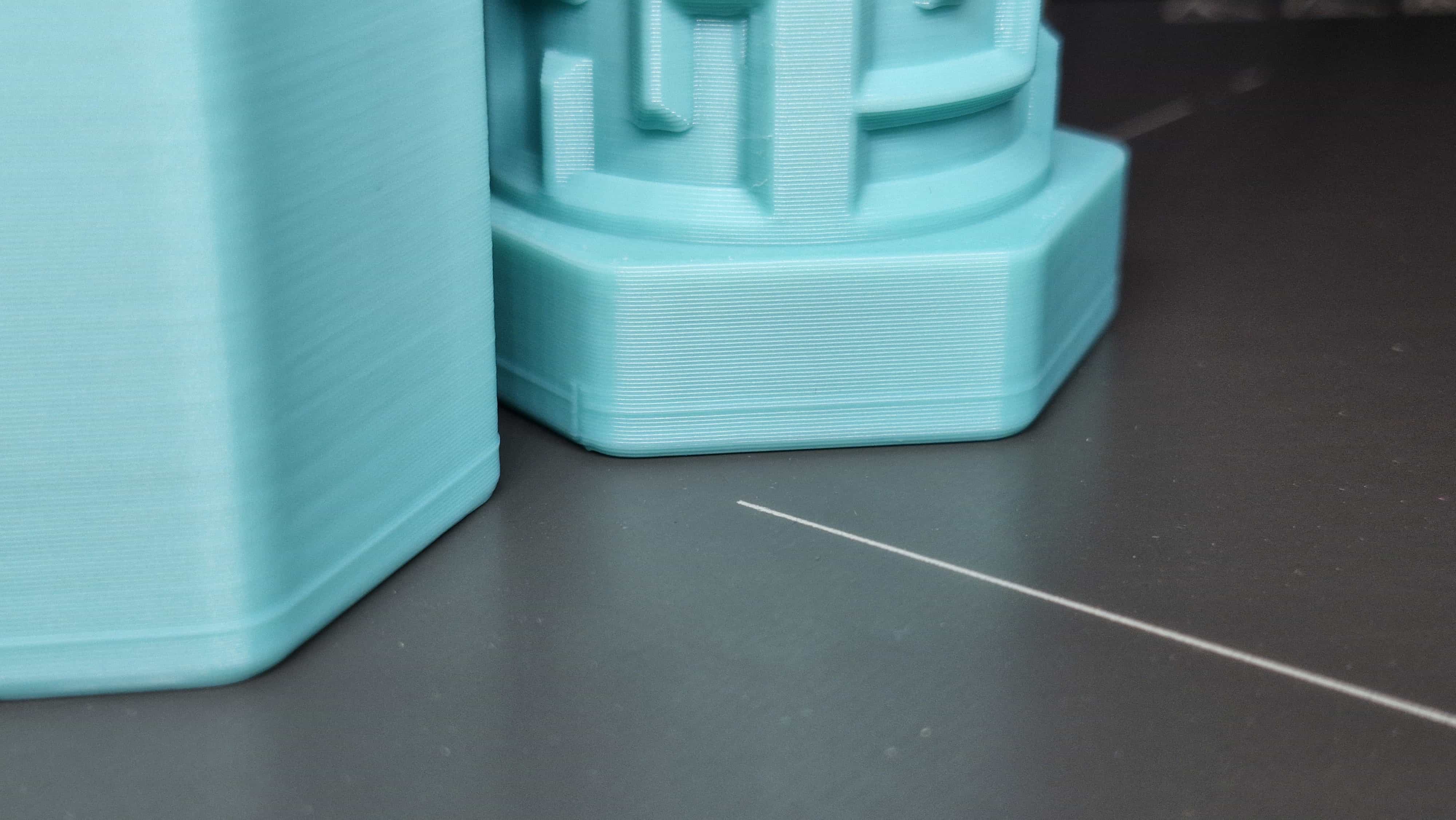
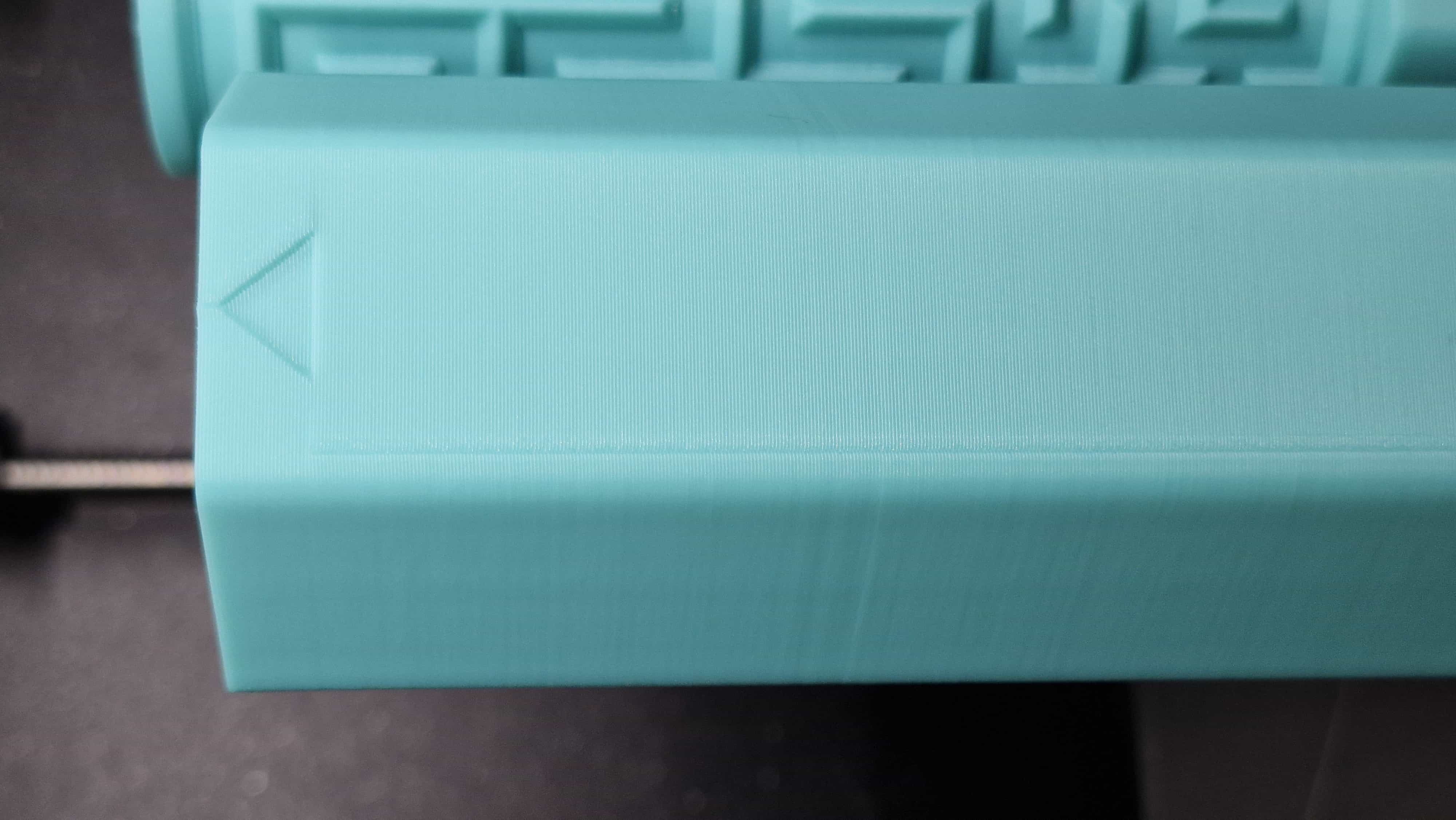
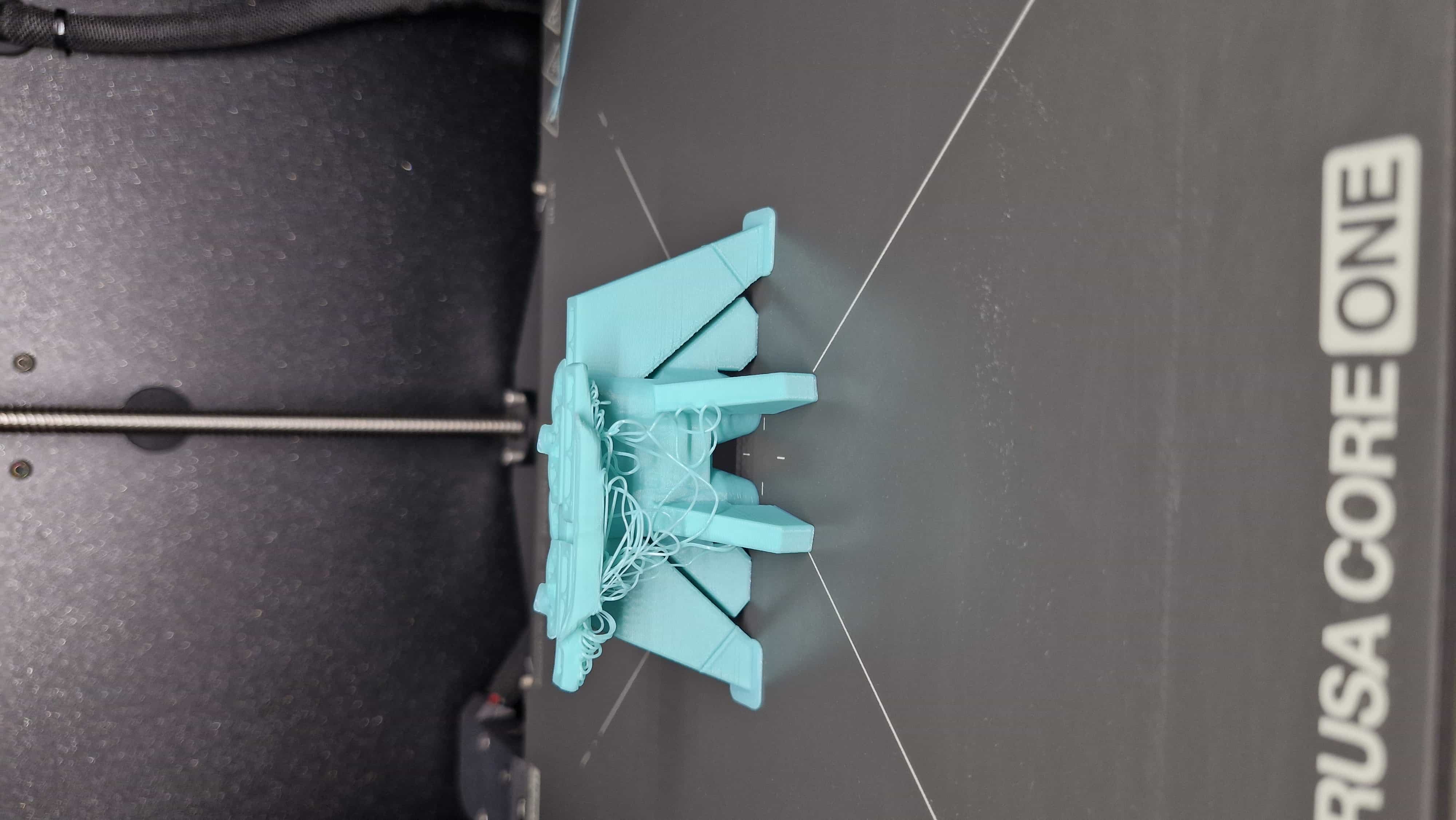
Pictures at the end of the page.
First Power-On and Early Issues
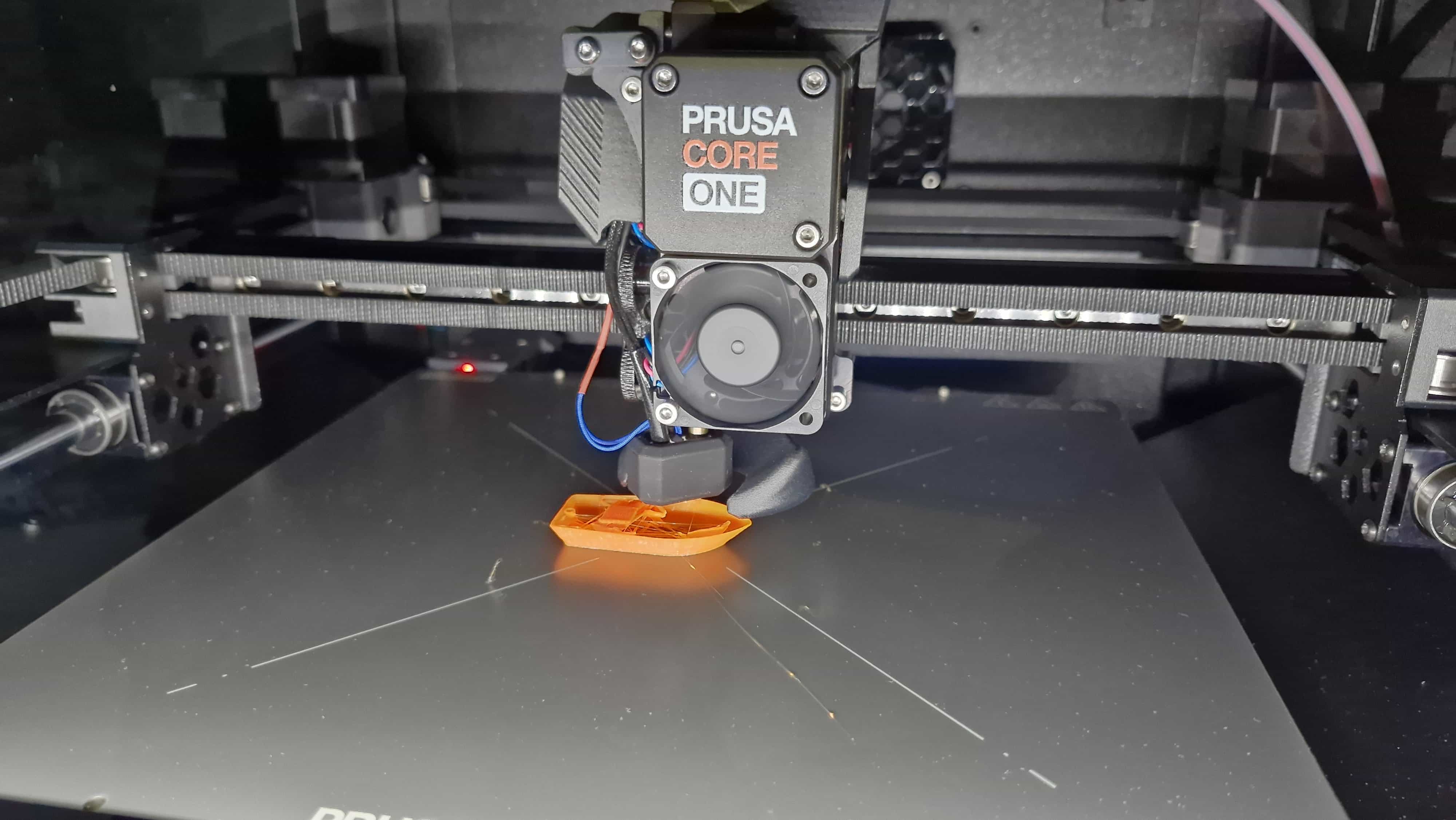
After assembly, the very first print was a Benchy (the bonkers version). It was insanely fast and left a very strong first impression.
Things changed a bit once I moved the printer from the office to my home. I started running into:
- Homing issues
- First layer problems
- One print with a noticeable layer shift
After some troubleshooting, the root causes became clear:
- The belts were not tensioned correctly
- The gantry was slightly out of square
- The nozzle grub screws were not tightened enough, causing first-layer inconsistencies
Once these were addressed, the printer became far more reliable.
PLA Printing Experience
I genuinely enjoyed printing in PLA. I went through:
- One orange spool
- One light blue spool
- All the Prusa sample filaments
The results were consistently good, and PLA proved to be a very forgiving material on the Core One.
First Prints and Practical Use
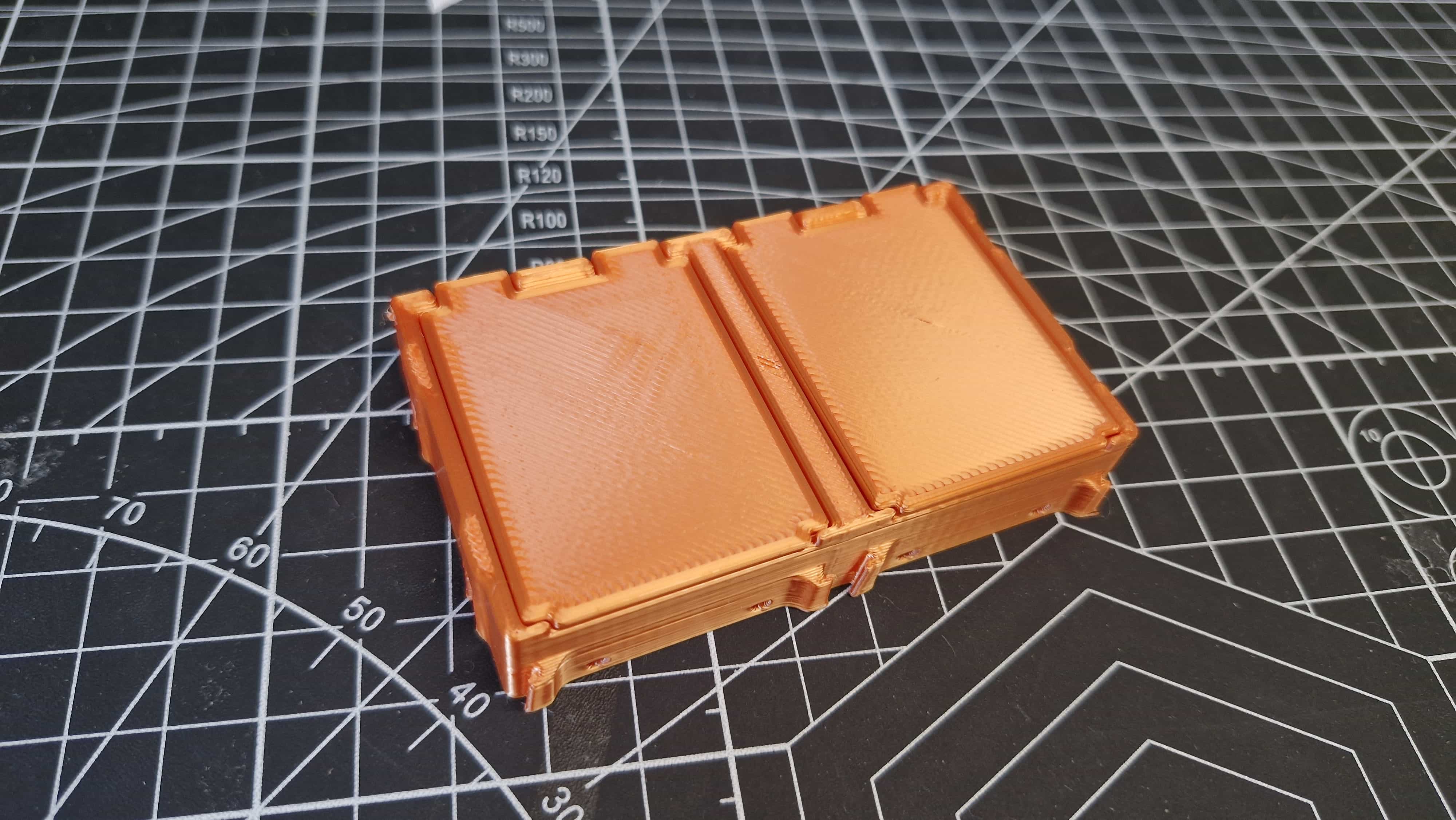
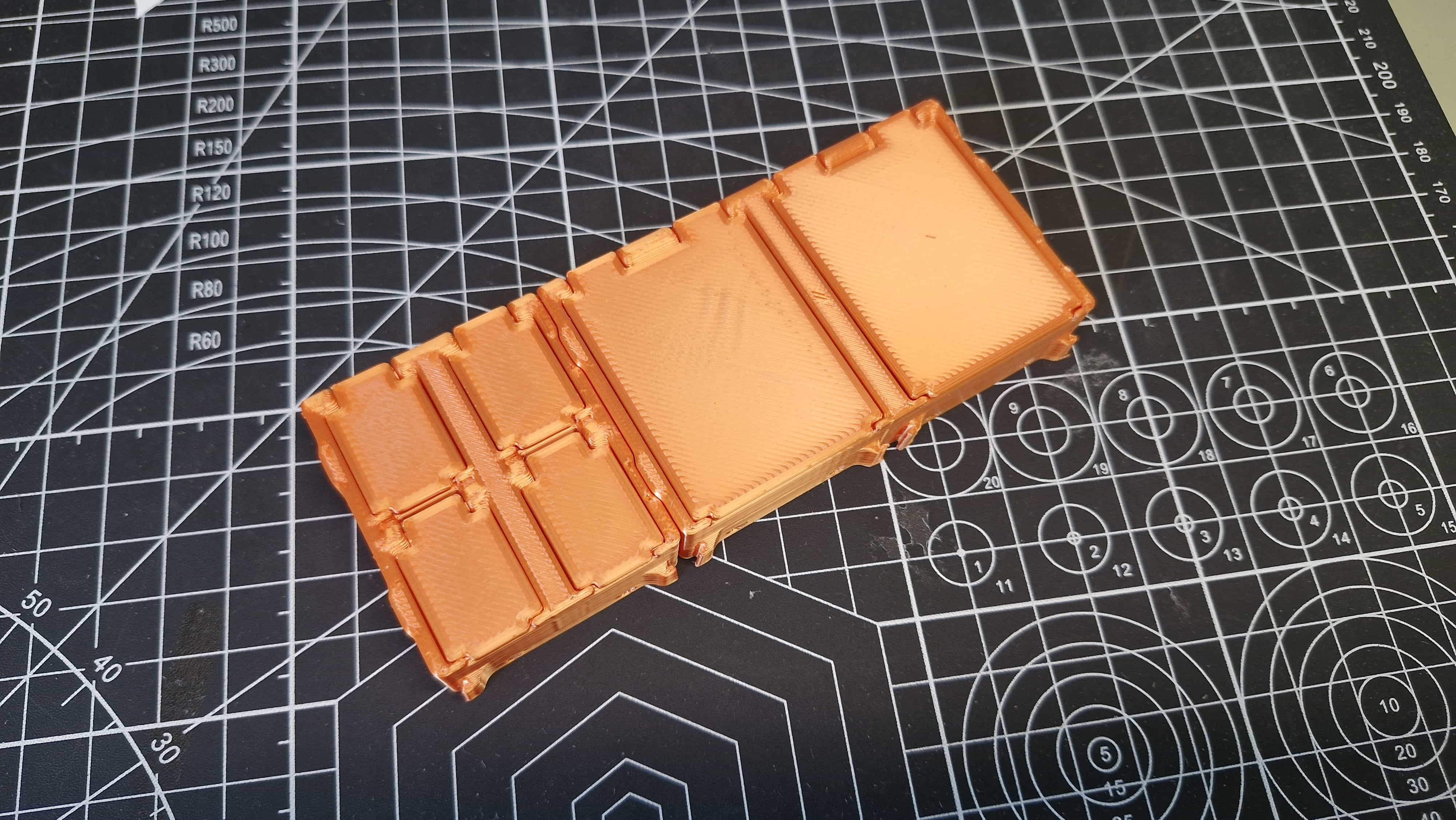
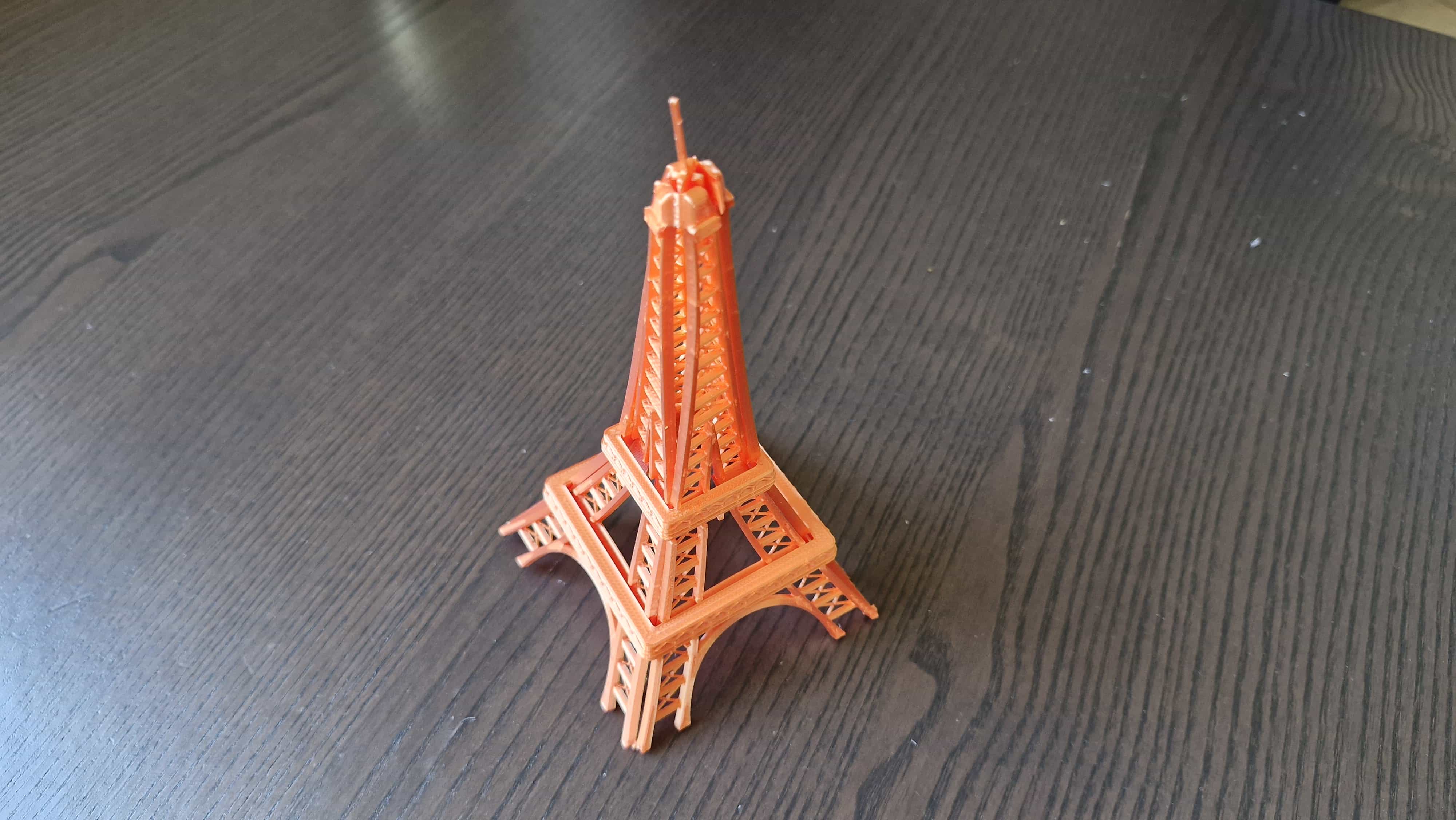
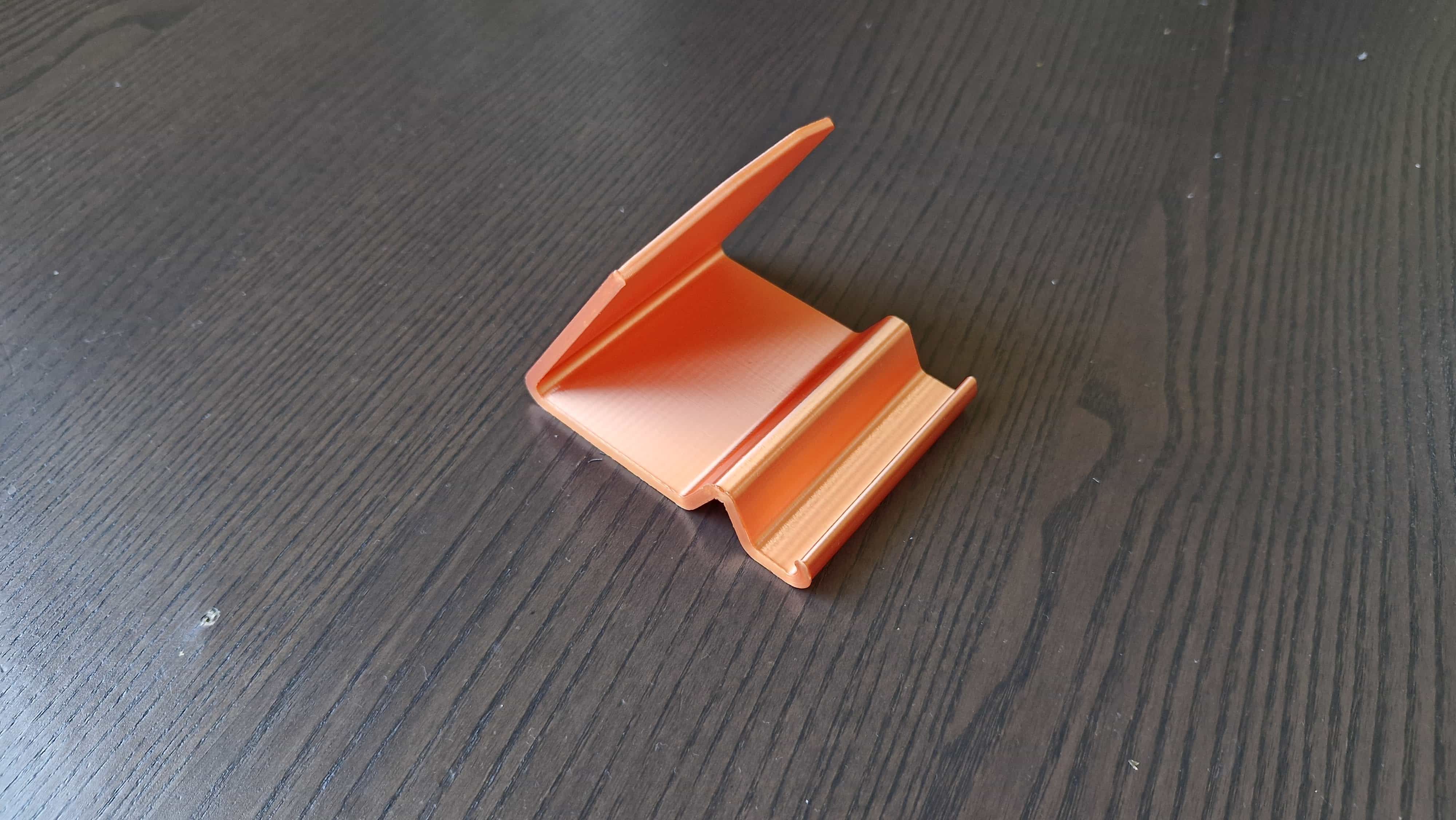
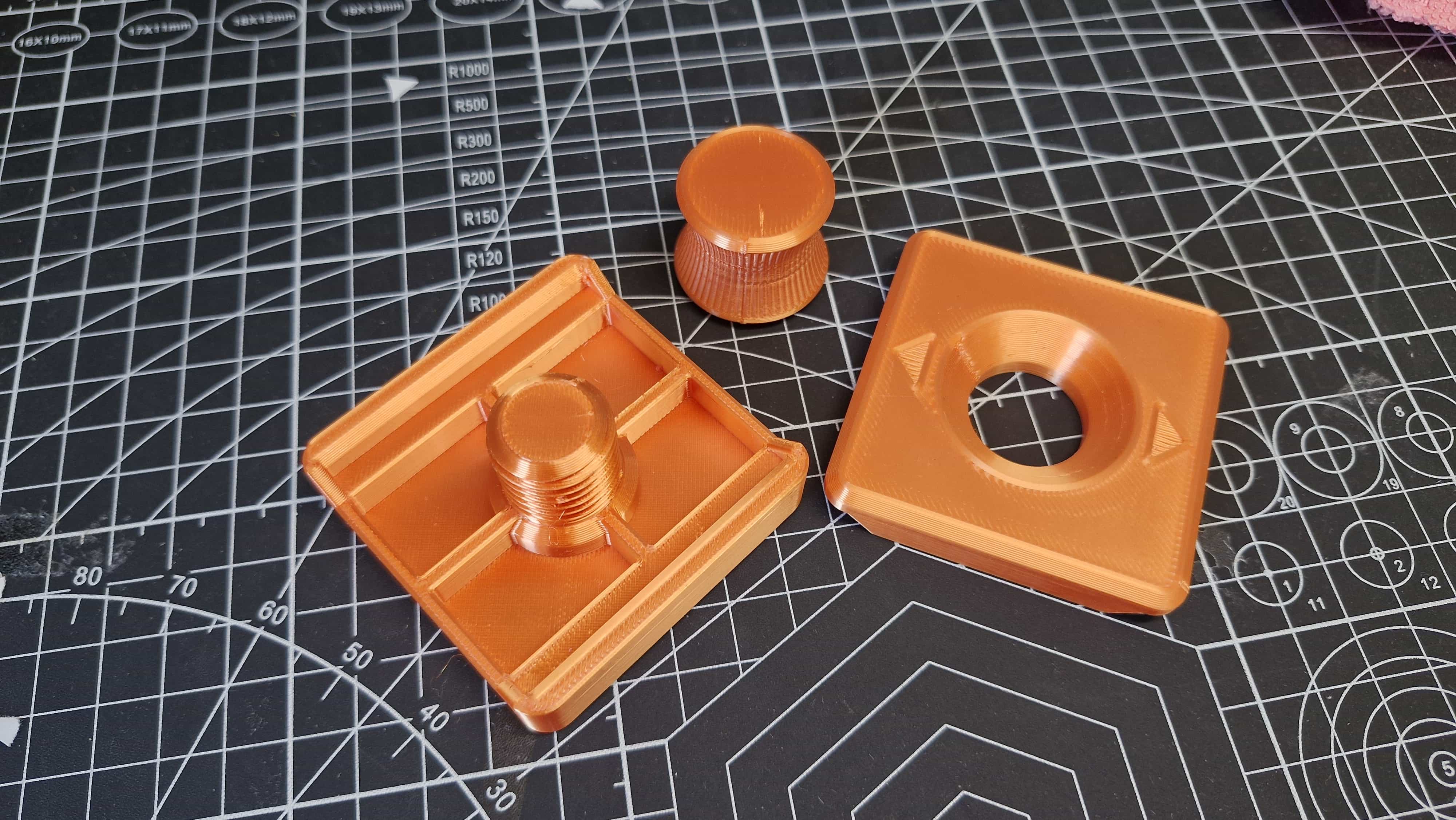
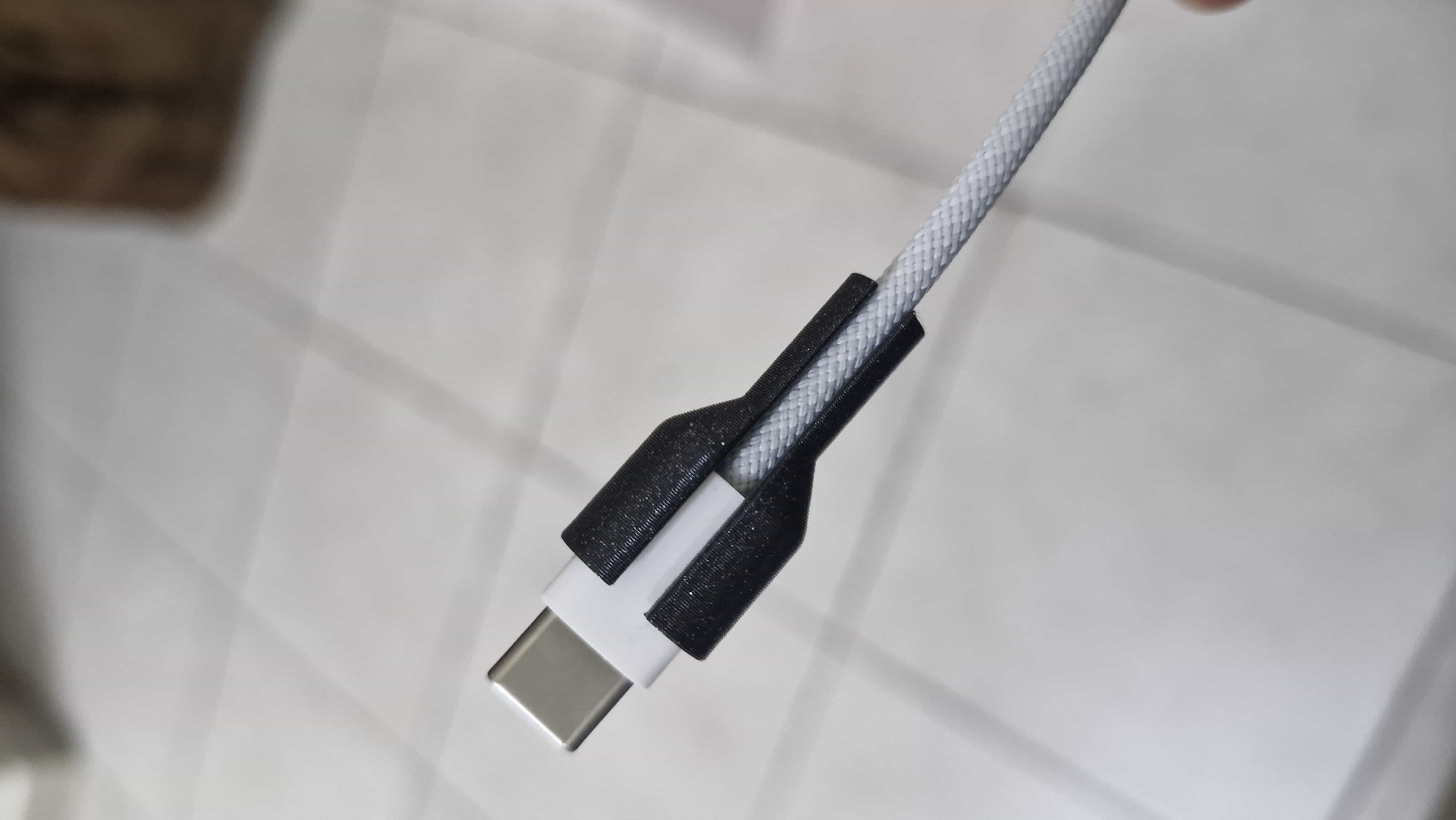
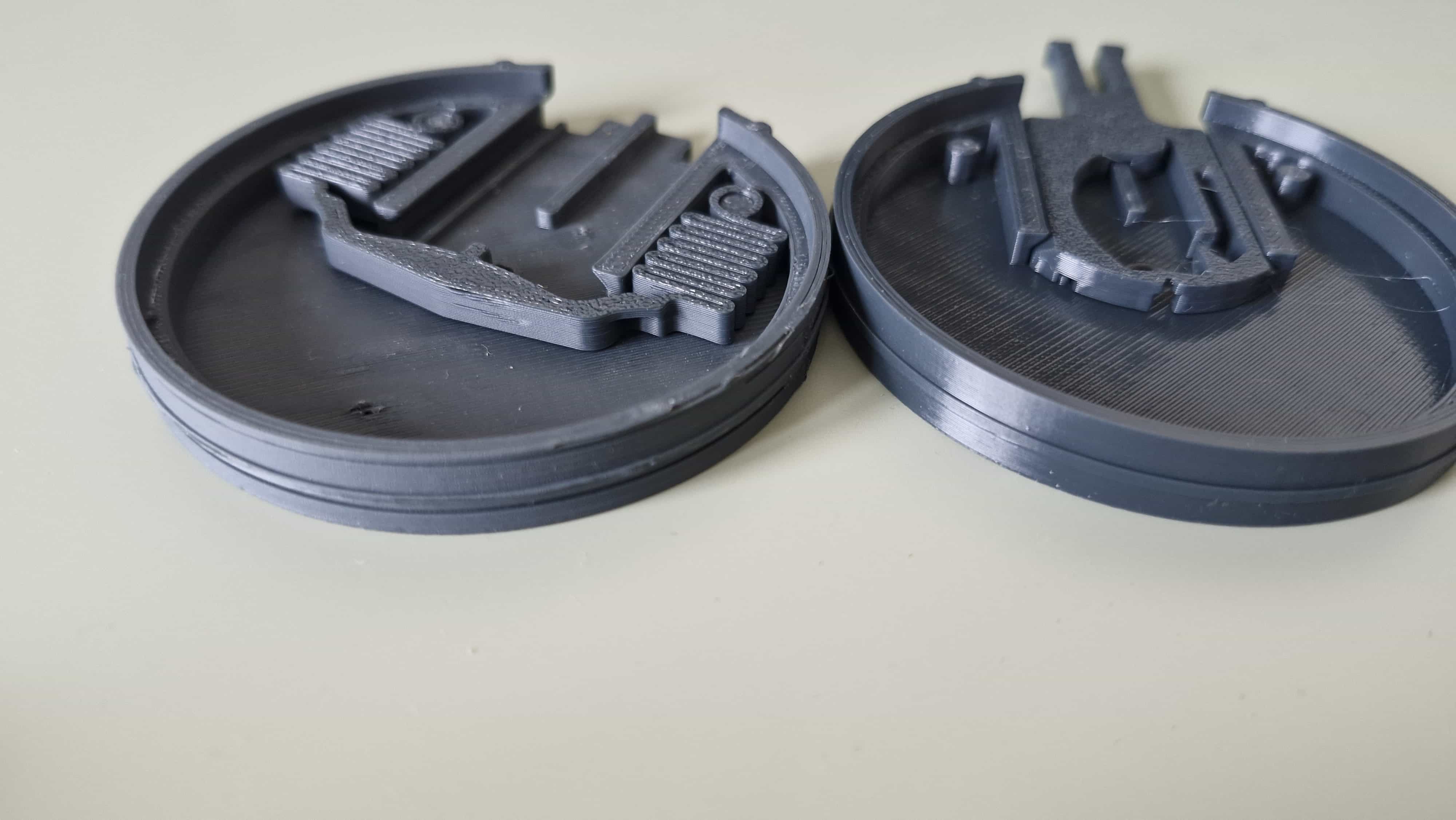
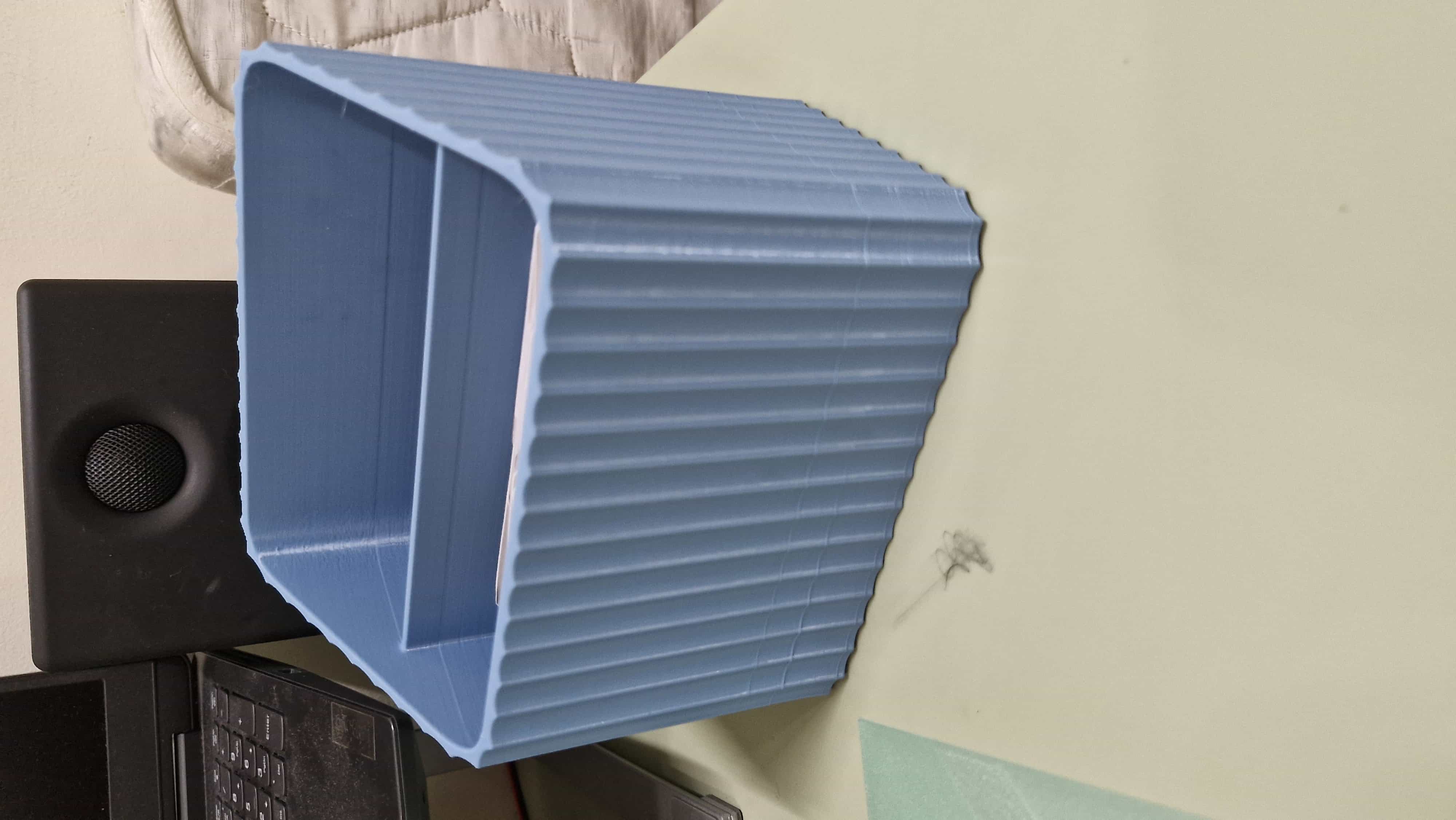
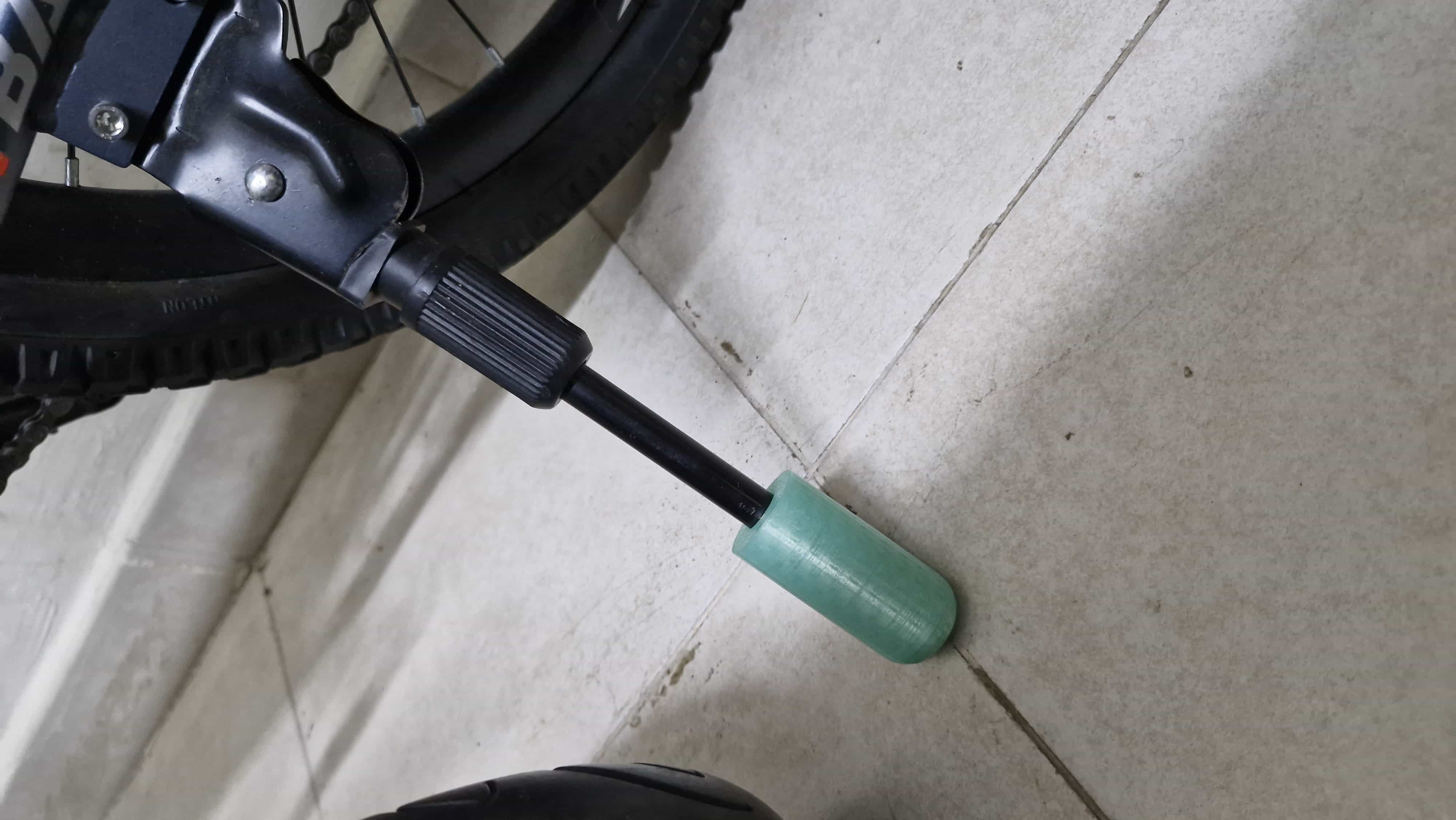
My initial functional prints were mostly Core One add-ons. I’ve created a collection on Printables that includes:
- Printer add-ons
- Small toys
- Storage boxes
- Household items like hooks
- Boxes for storing SMD components
These prints helped me dial in settings while also being immediately useful.
PETG Adventures (and Misadventures)
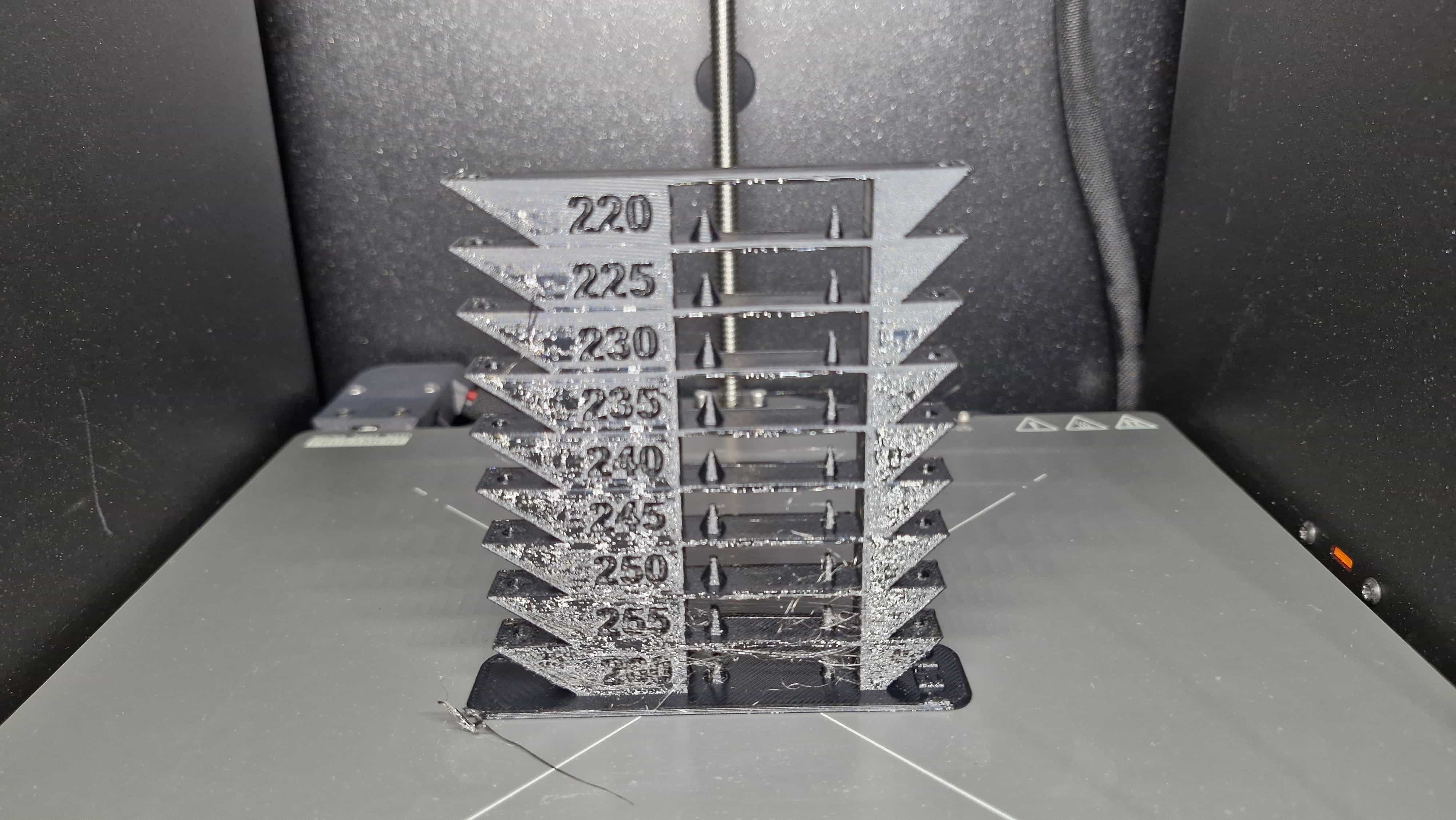
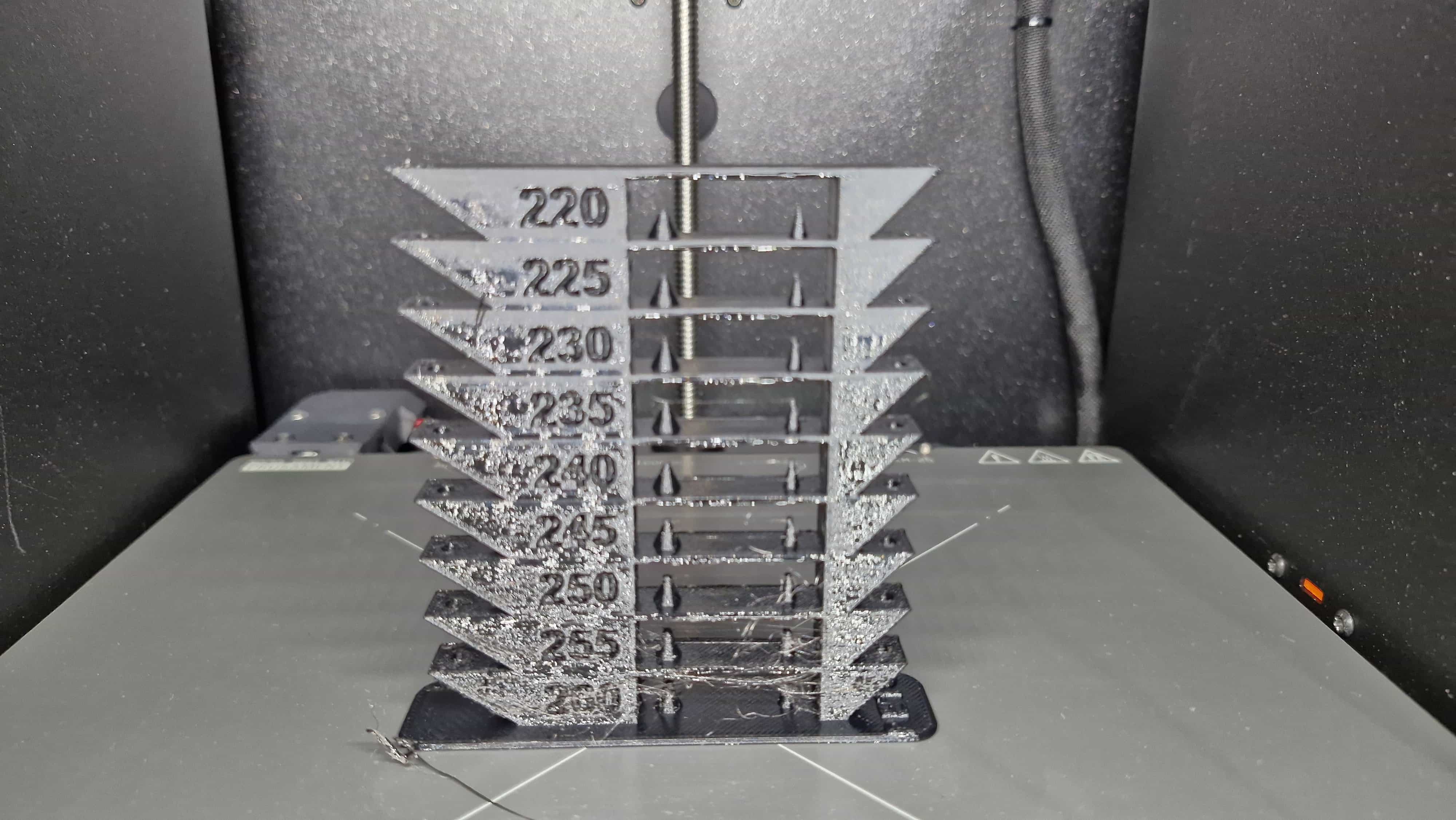
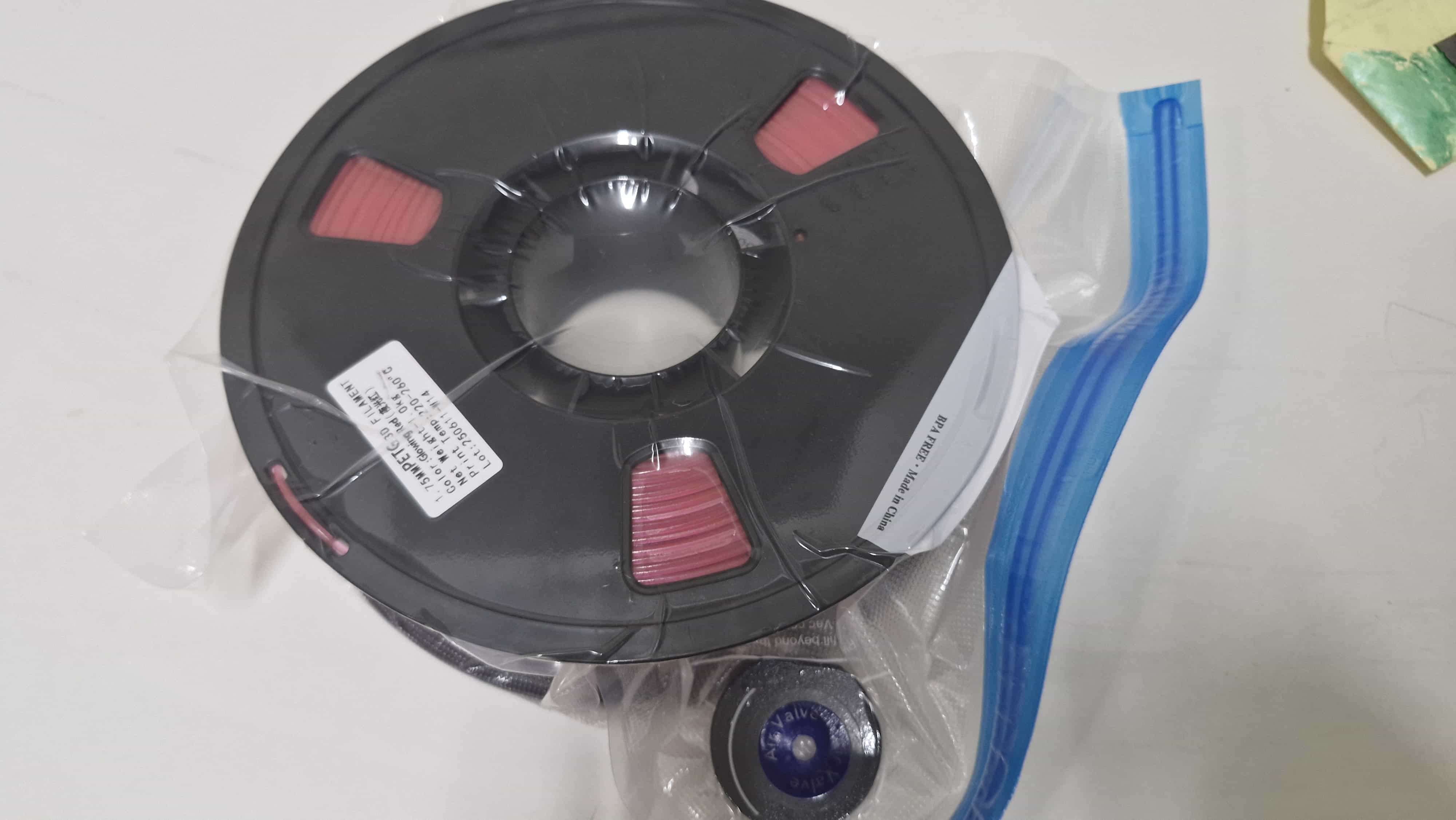
Feeling confident, I ordered a spool of Prusa PETG. However, before risking an expensive filament, I decided to experiment with a generic CC3D black PETG.
That’s when things got tricky.
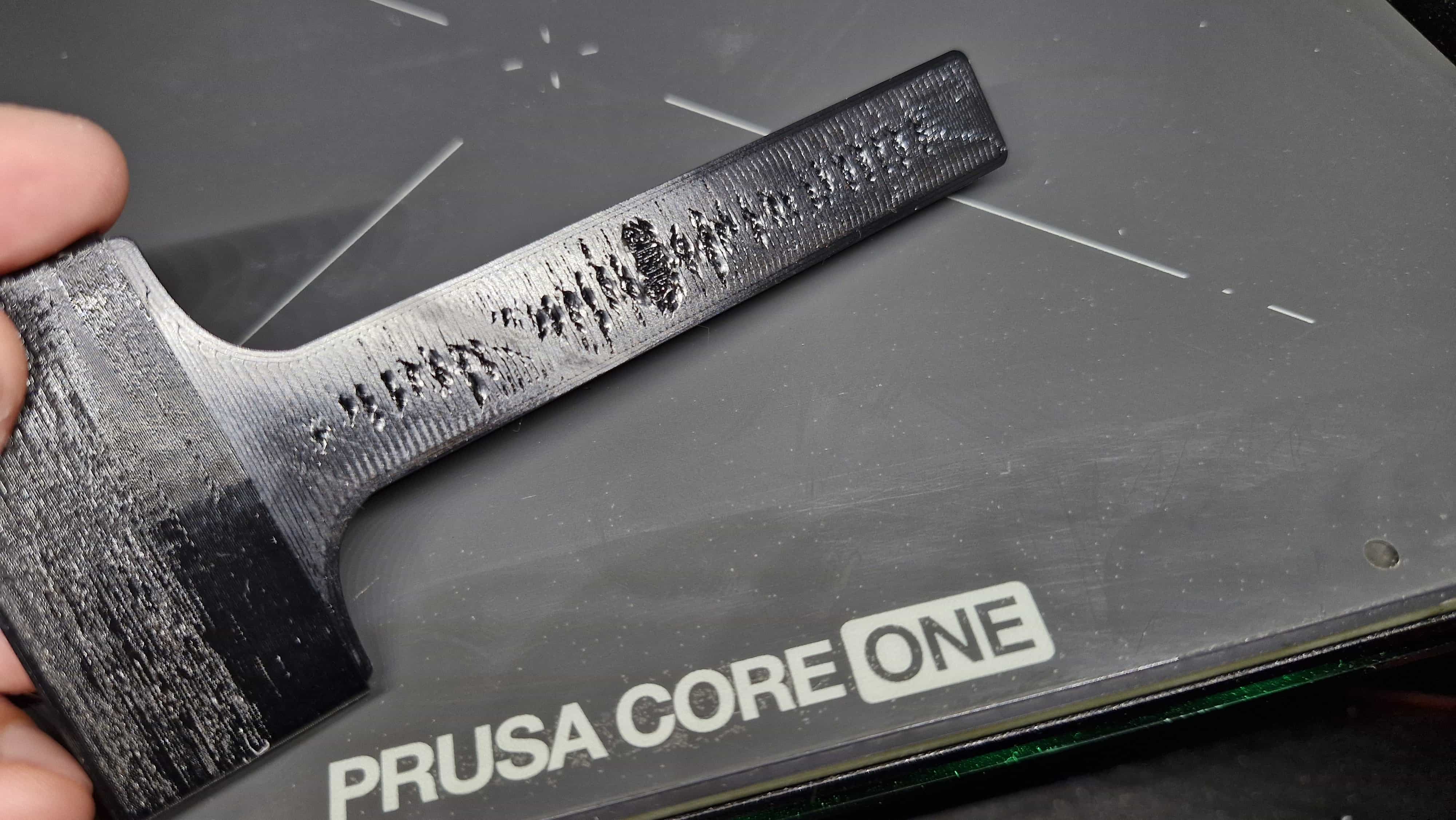
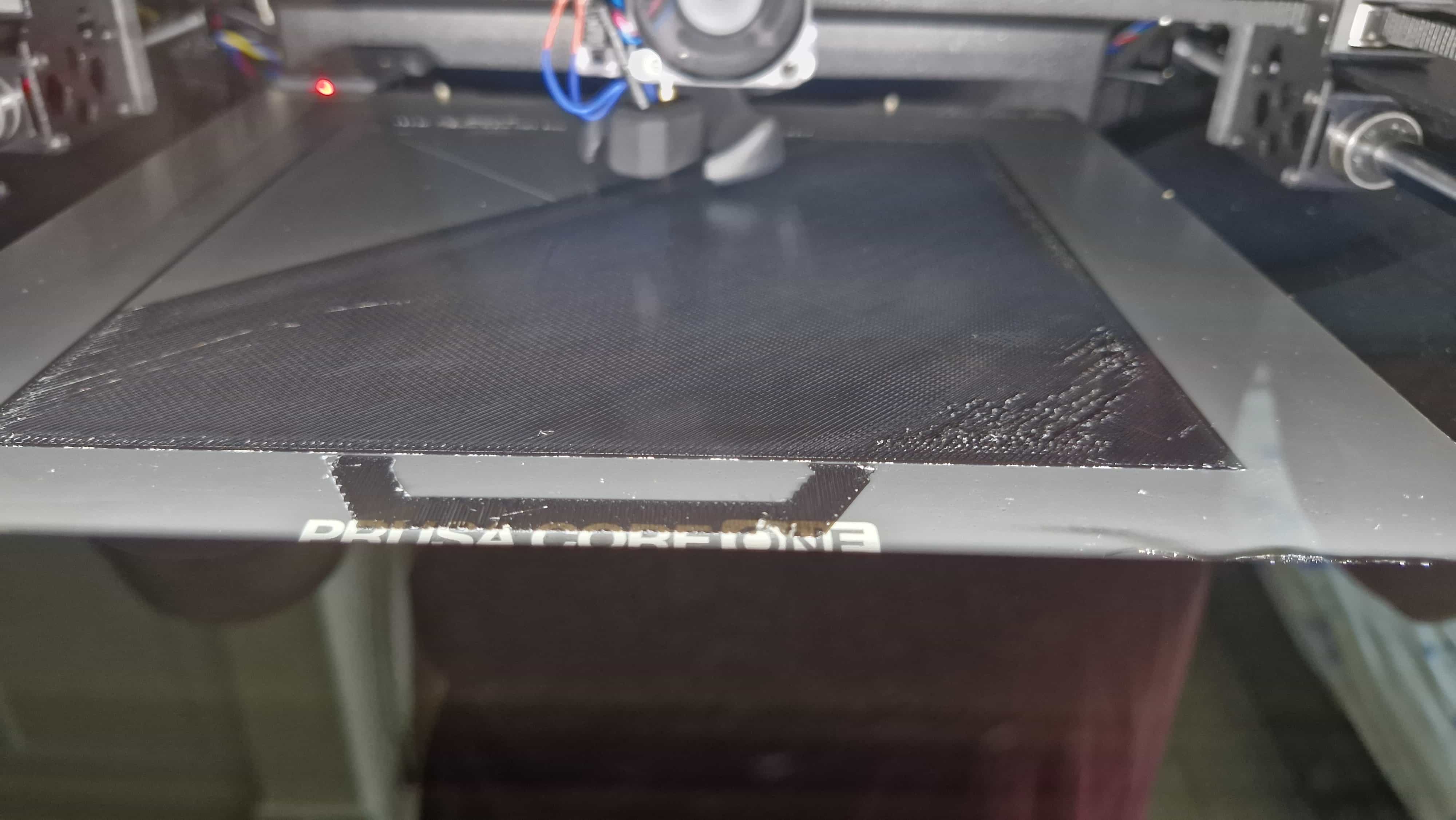
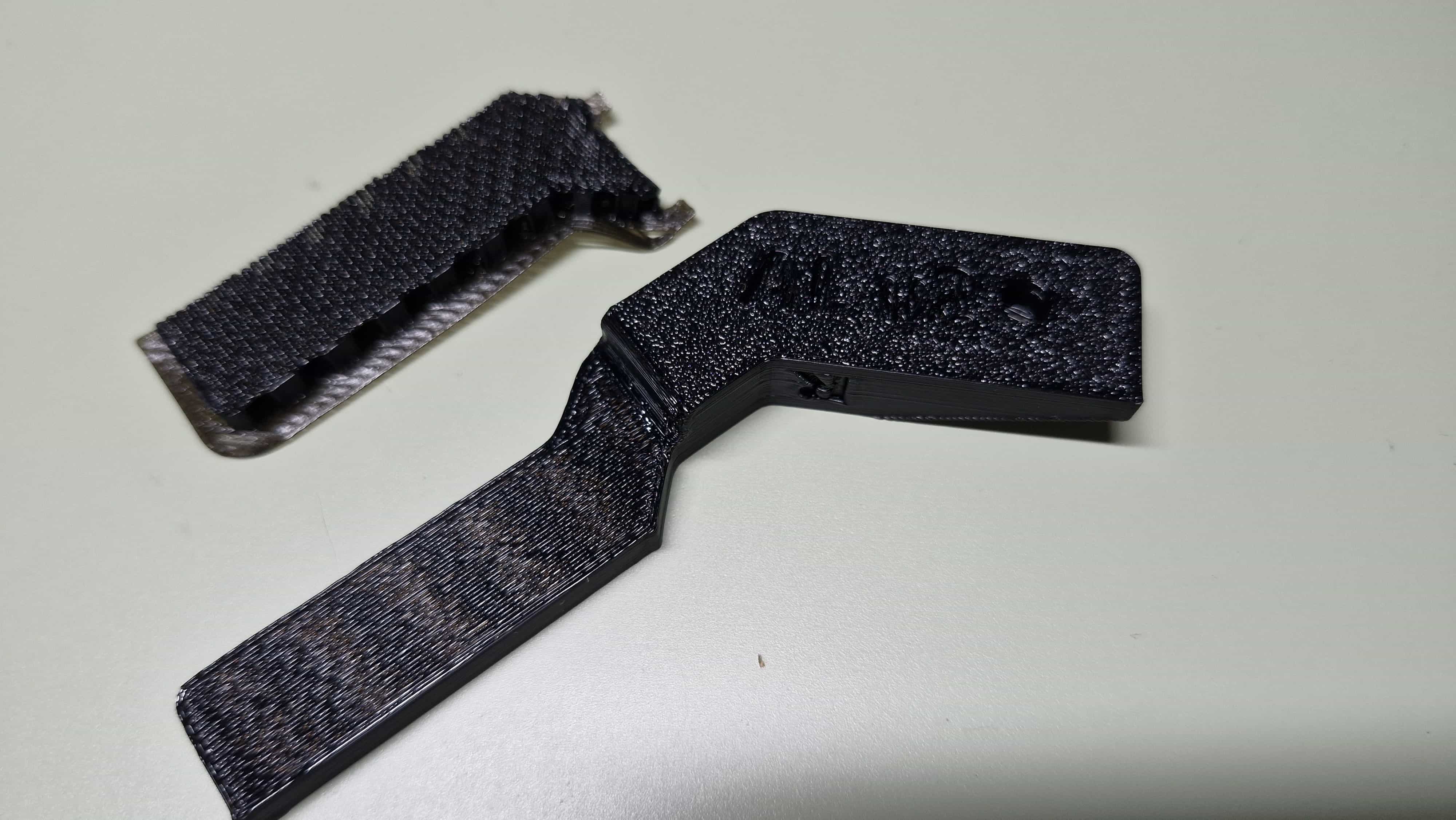
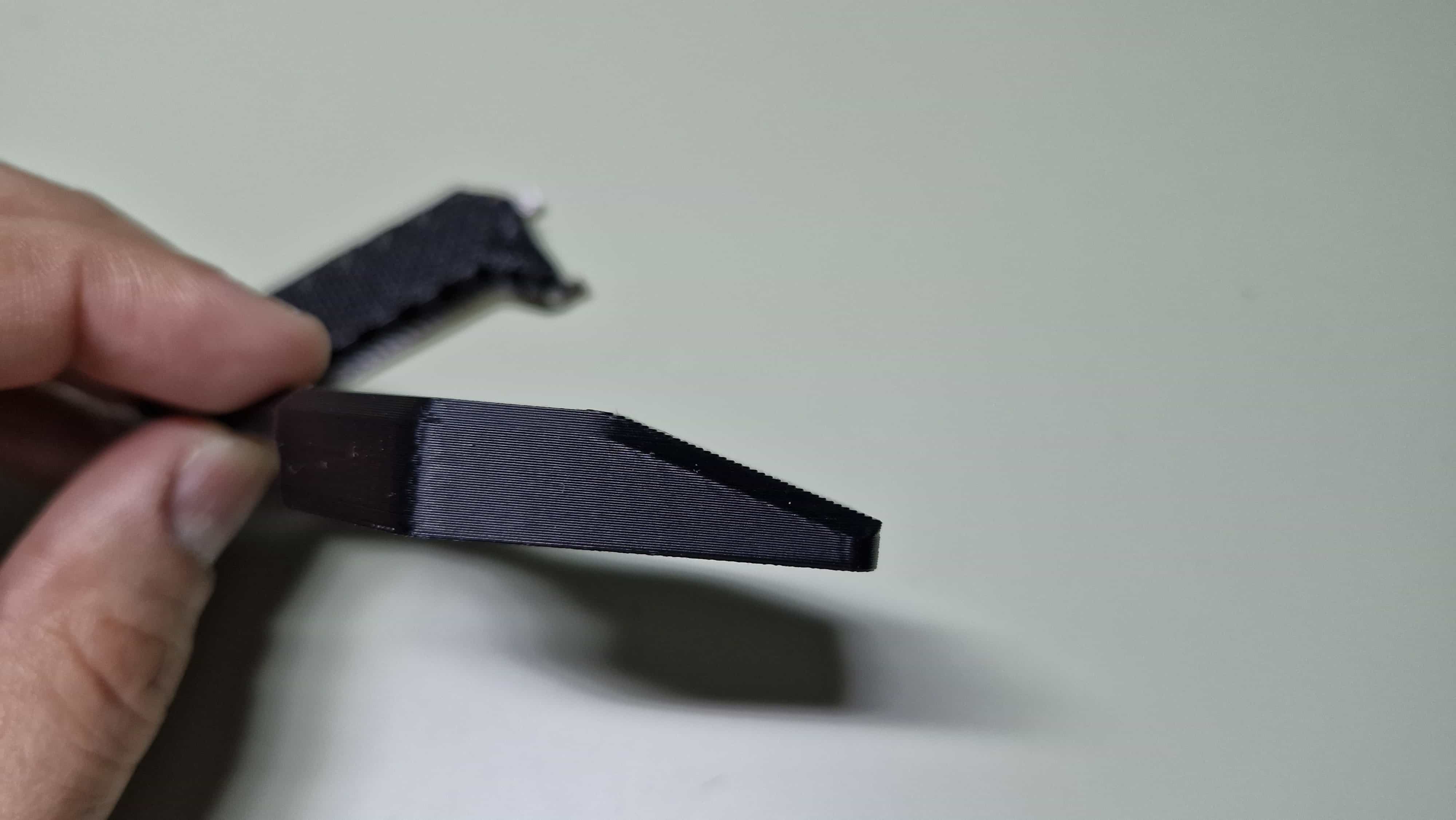
Using a smooth PEI sheet, I ran into several issues:
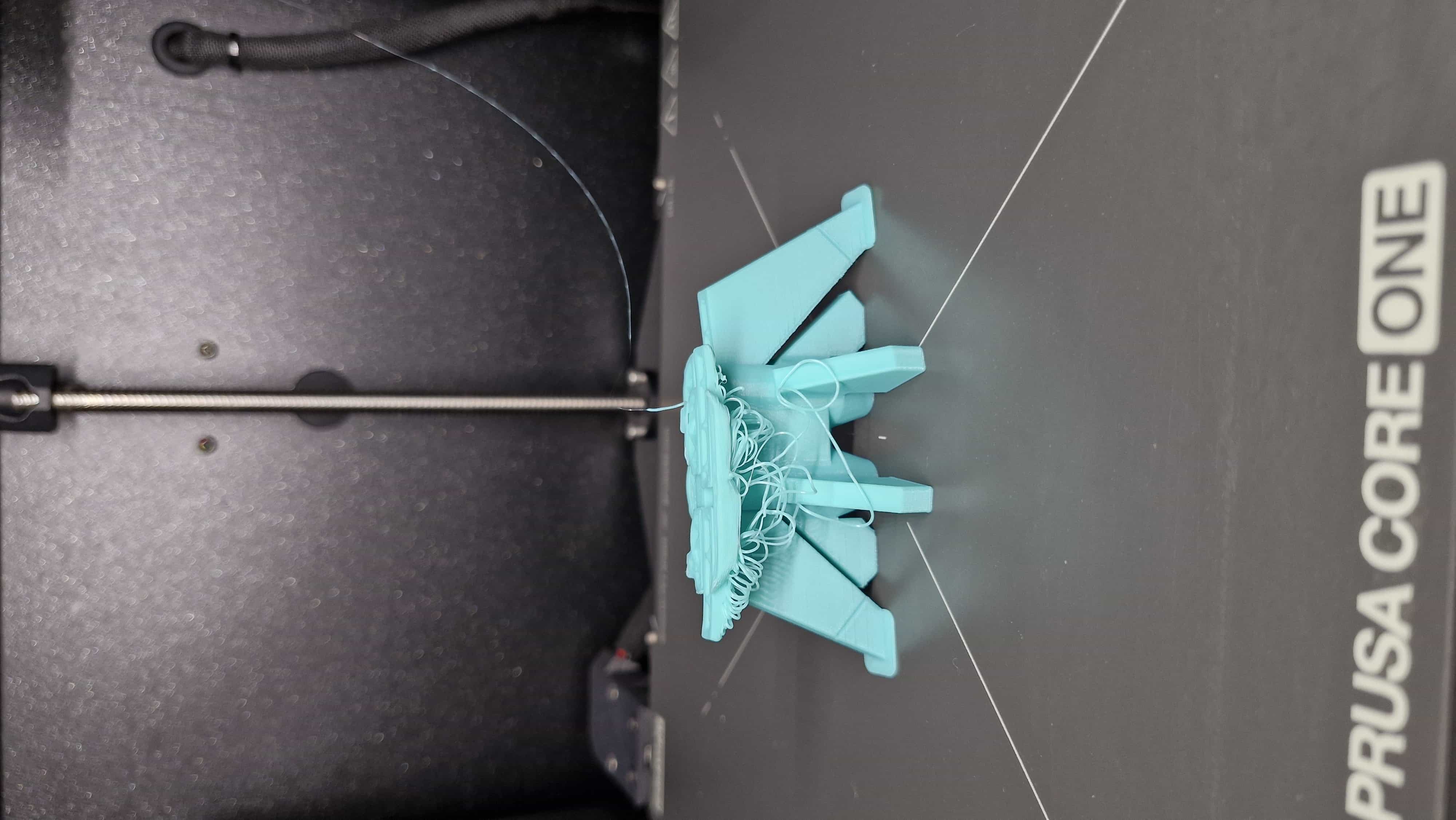
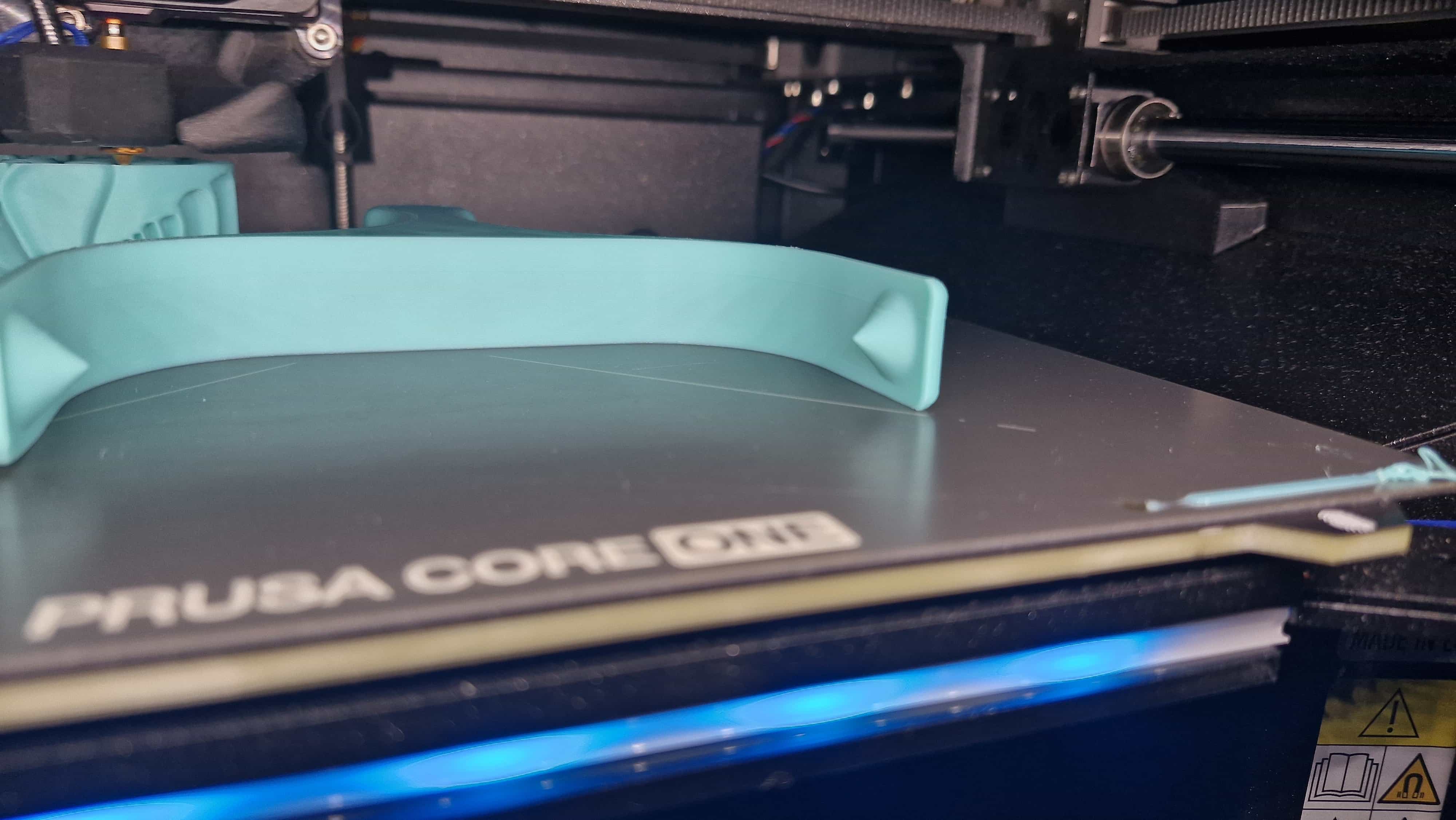
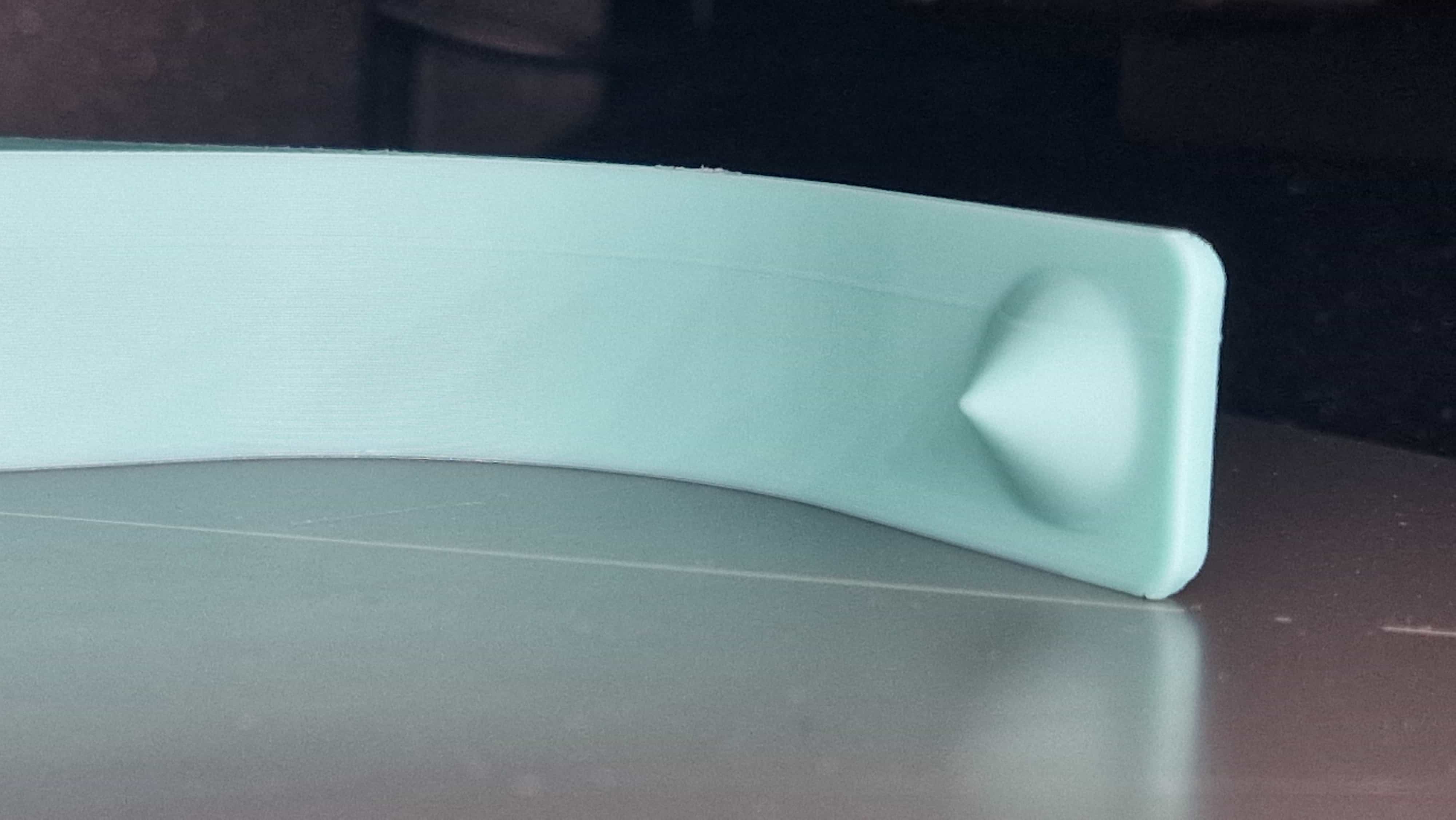
- Poor bed adhesion
- Prints failing early, especially parts with thin bases
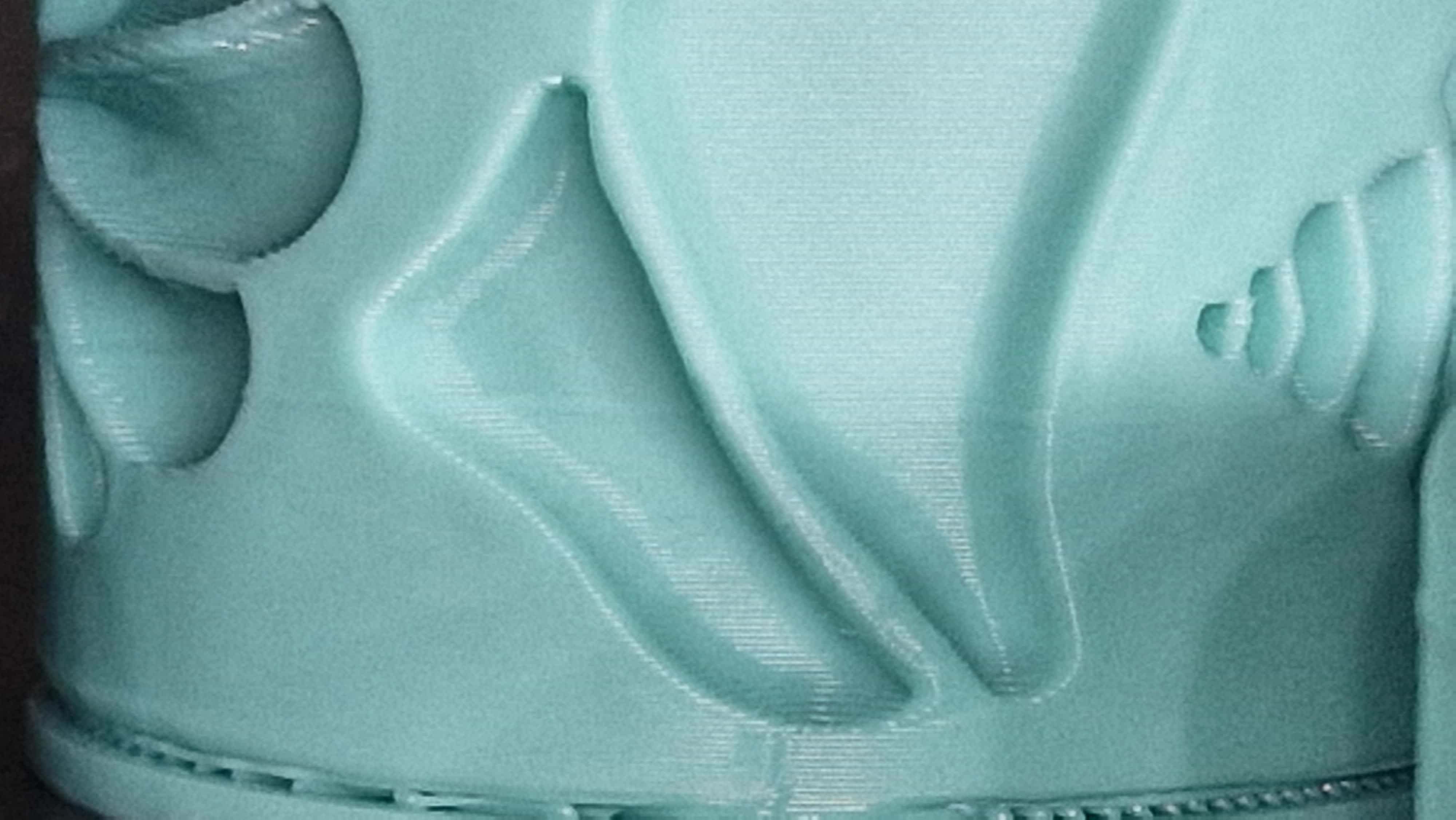
- Inconsistent first layers
I was aware that PETG can stick too well to smooth PEI, so I used a glue stick as a release agent. Even then, results were inconsistent.
What ultimately helped:
- Adding a skirt to properly prime the nozzle
- Adding a brim to parts with small contact areas
- Thoroughly cleaning the bed after every print
From what I’ve learned, a satin sheet is the best option for PETG. I’ve since ordered Prusament PETG and some eSUN PLA, and a satin sheet is next on my list.
Hardware Add-ons and Upgrades
Acceleration Board
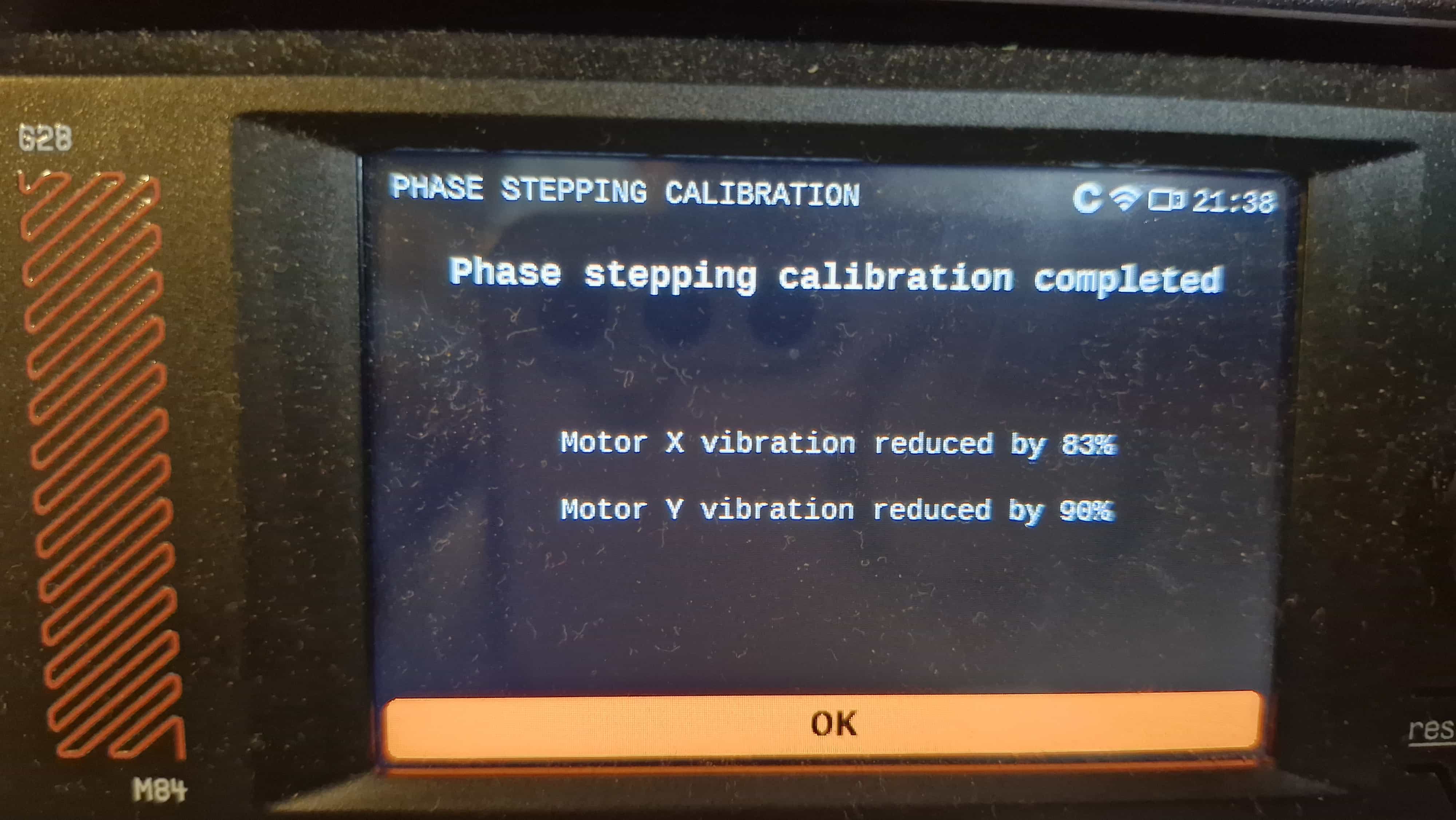
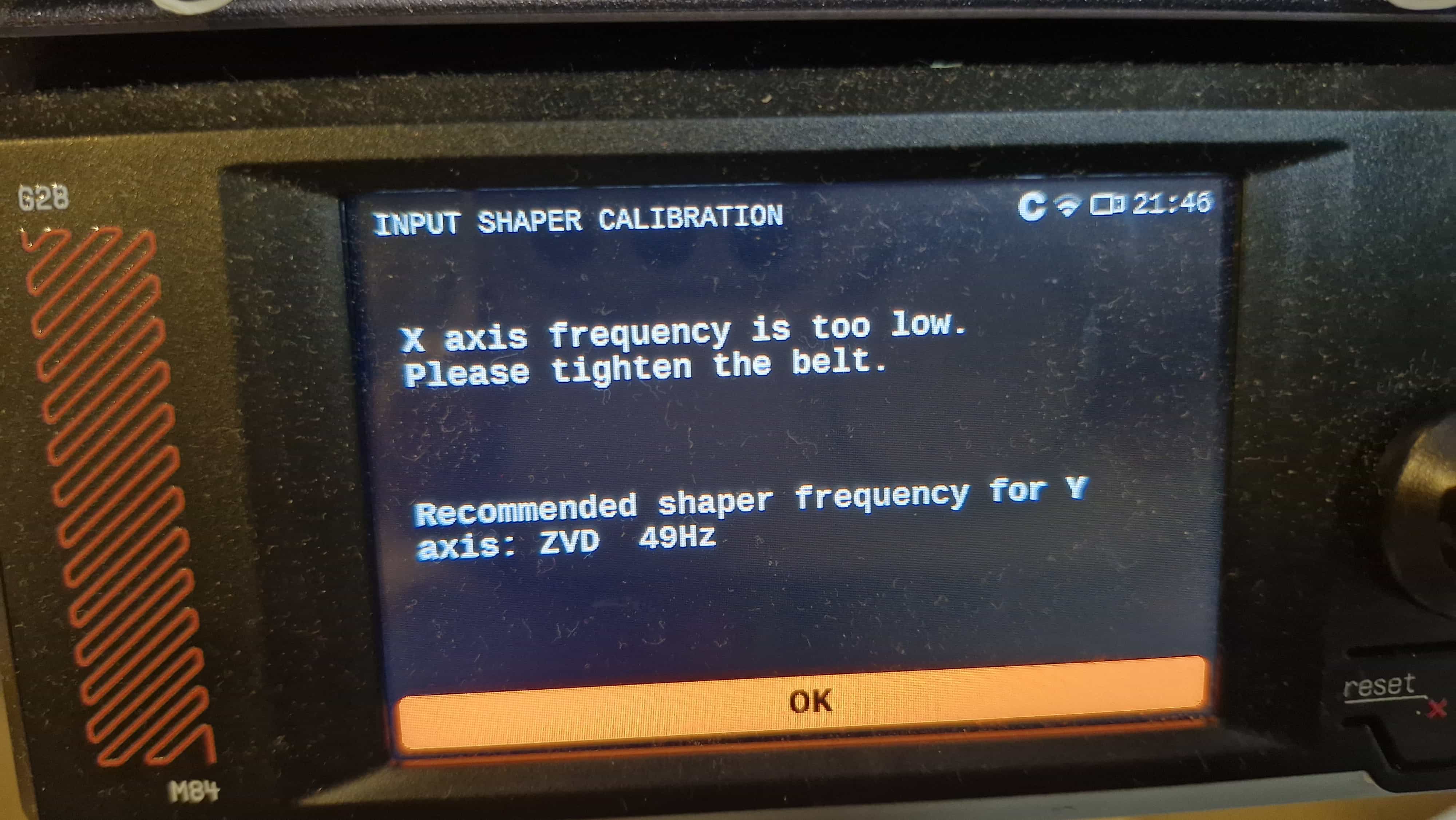
I installed the accelerometer board to enable input shaping and phase stepping. While it’s great to have these features available, I didn’t notice a dramatic difference in print quality for my use cases.
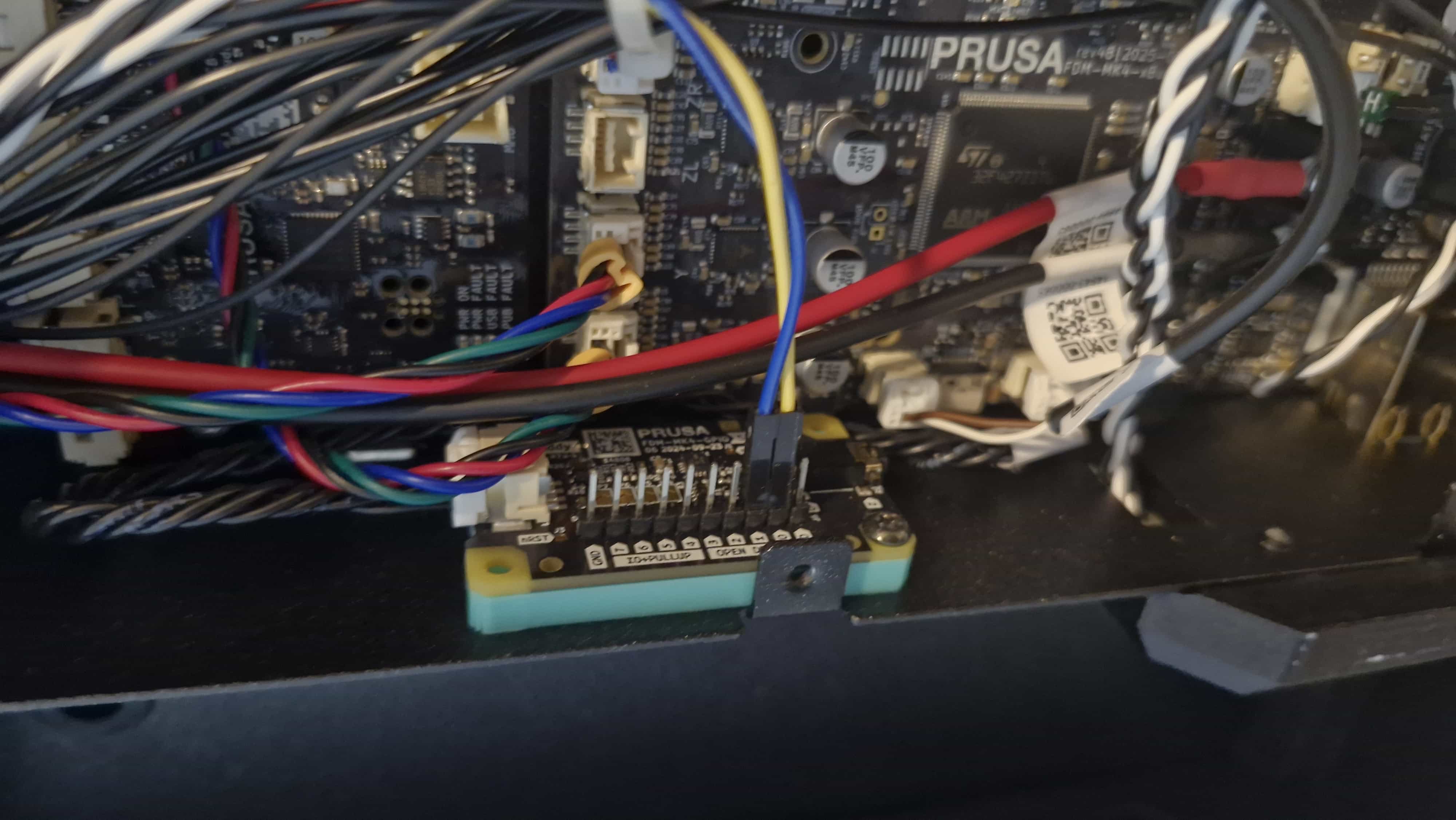
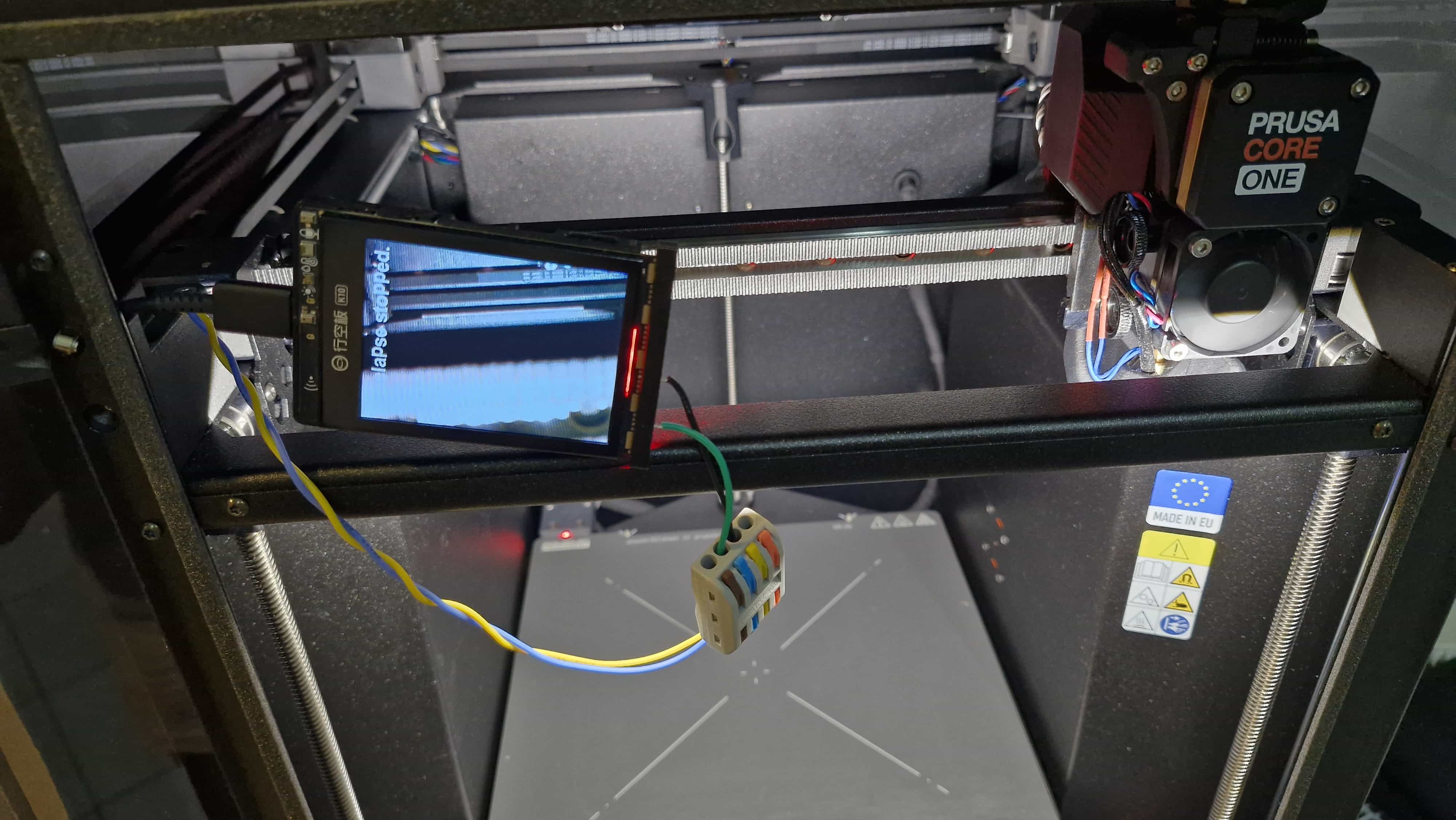
GPIO Hacker Board
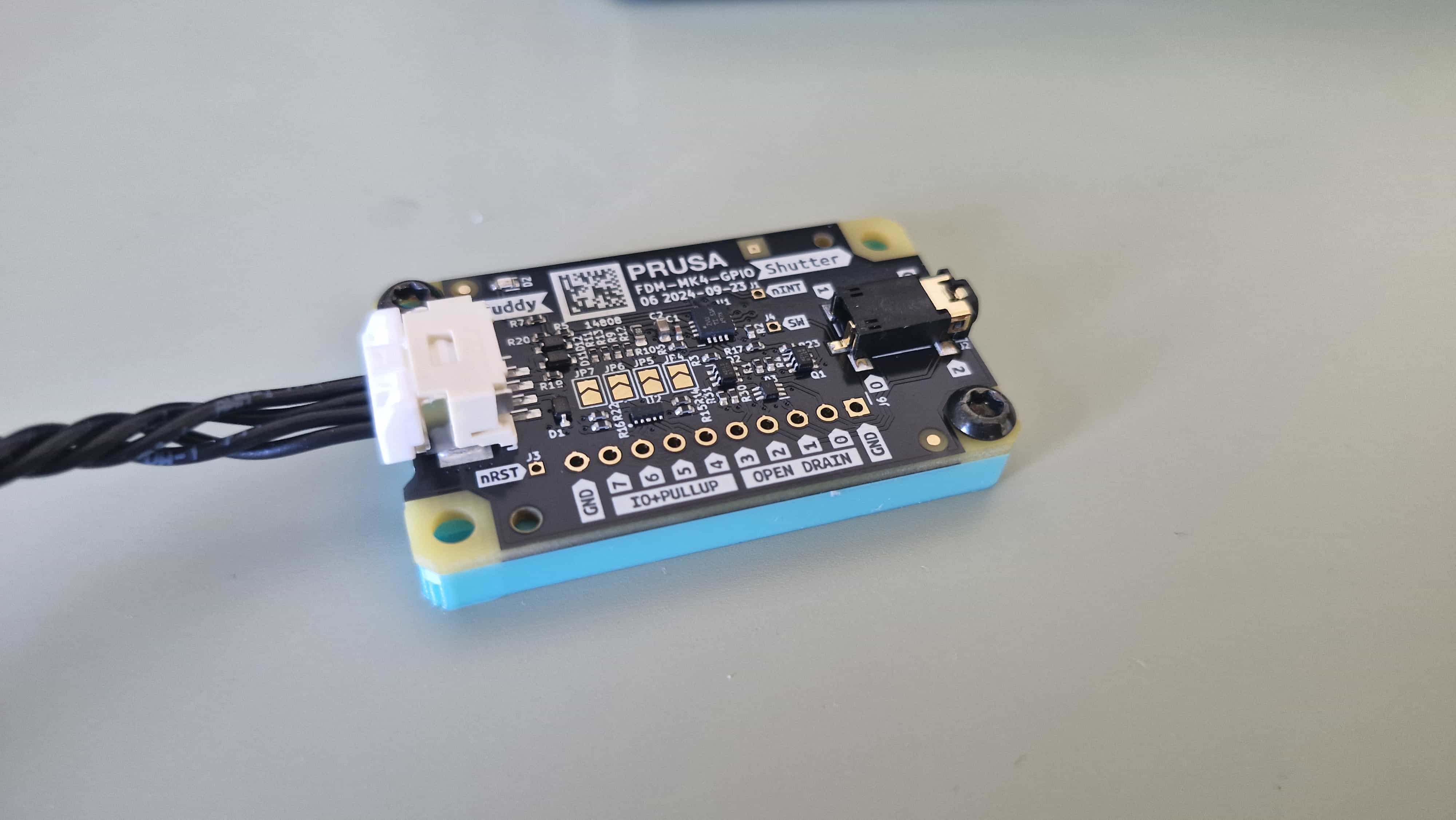
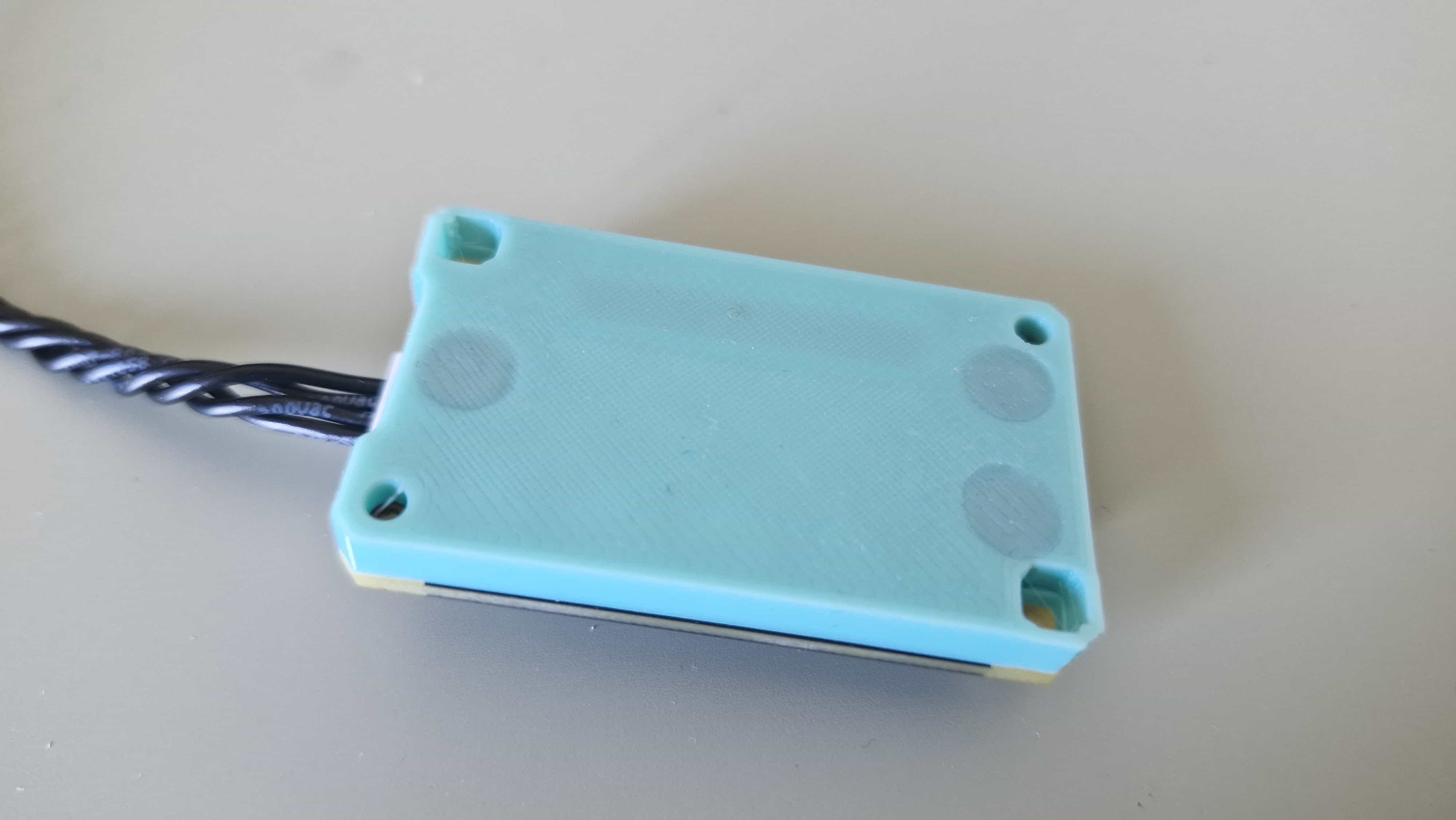
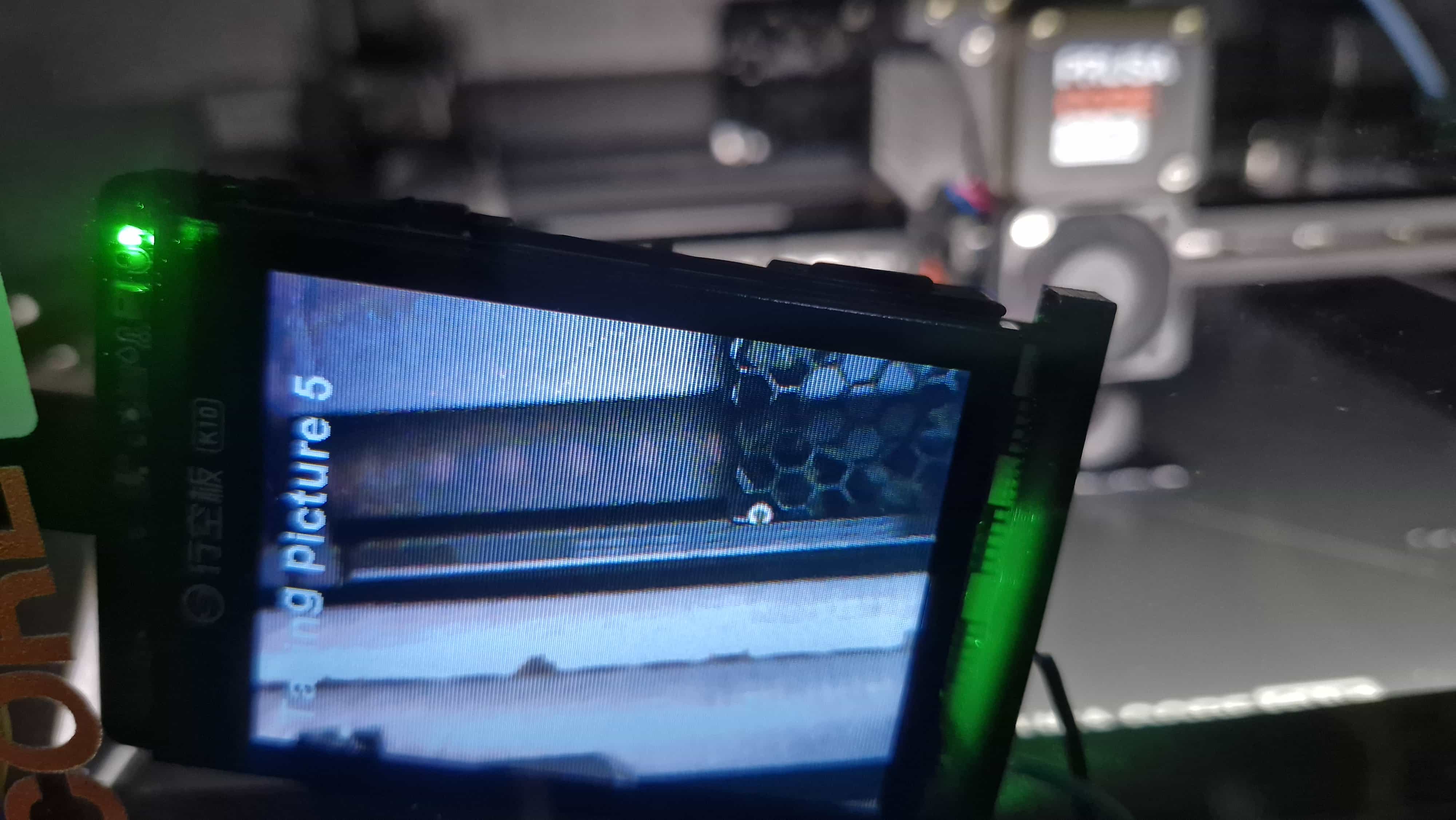
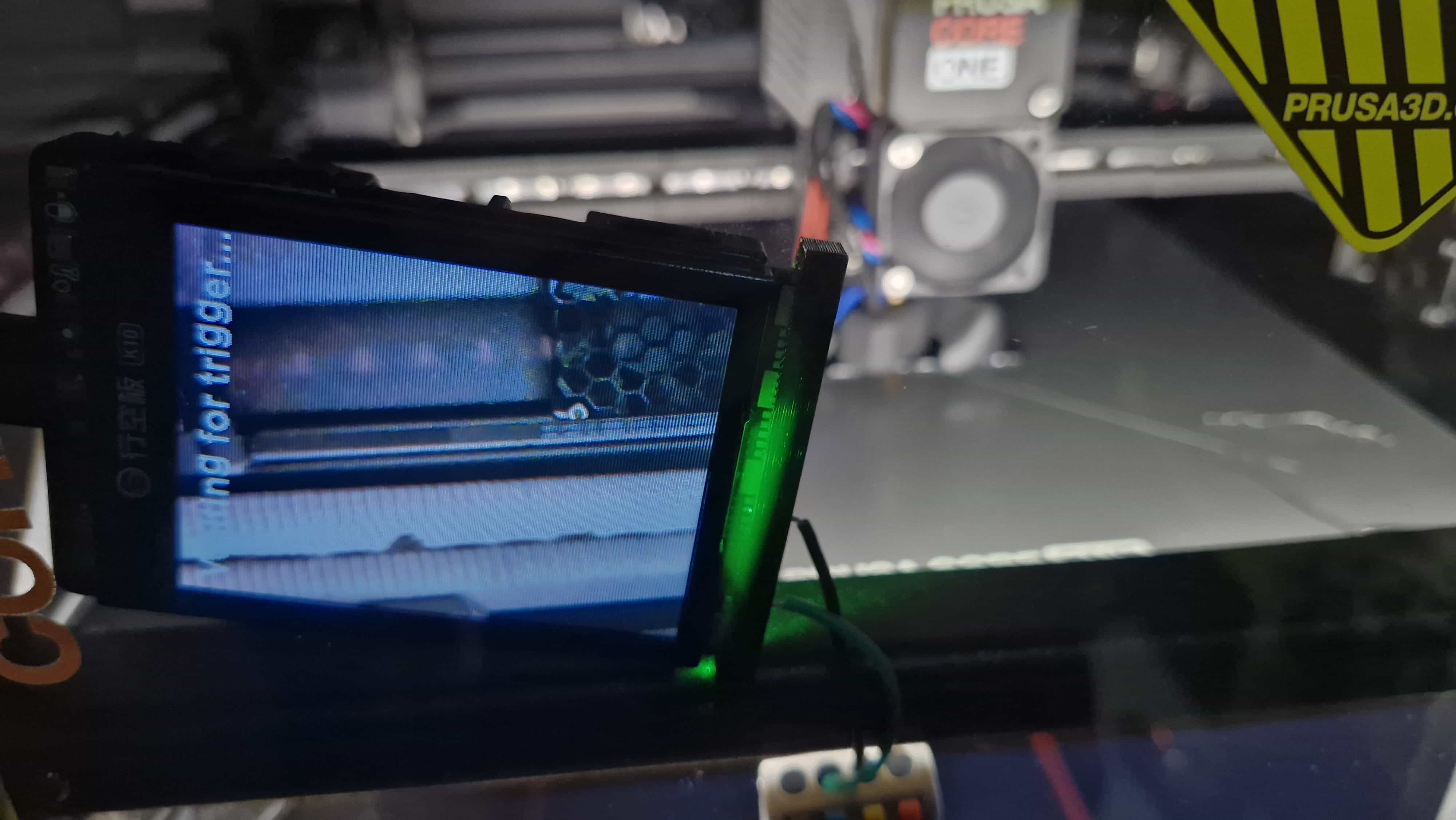
Naturally, once printing became routine, I wanted to add time-lapse recording. I picked up the GPIO hacker board, which I’ll cover in more detail in a future post.
Community Mods and Quality-of-Life Improvements
One of the biggest strengths of the Core One is its upgradeability and the strong community around it. I truly feel like I own the machine—if something breaks, I can replace it. If something improves, I can upgrade it without buying an entirely new printer.
Just last month, Prusa announced the INDX system, allowing up to 8 different filaments, which is a massive value add.
Some of the mods I’ve added or printed so far:
-
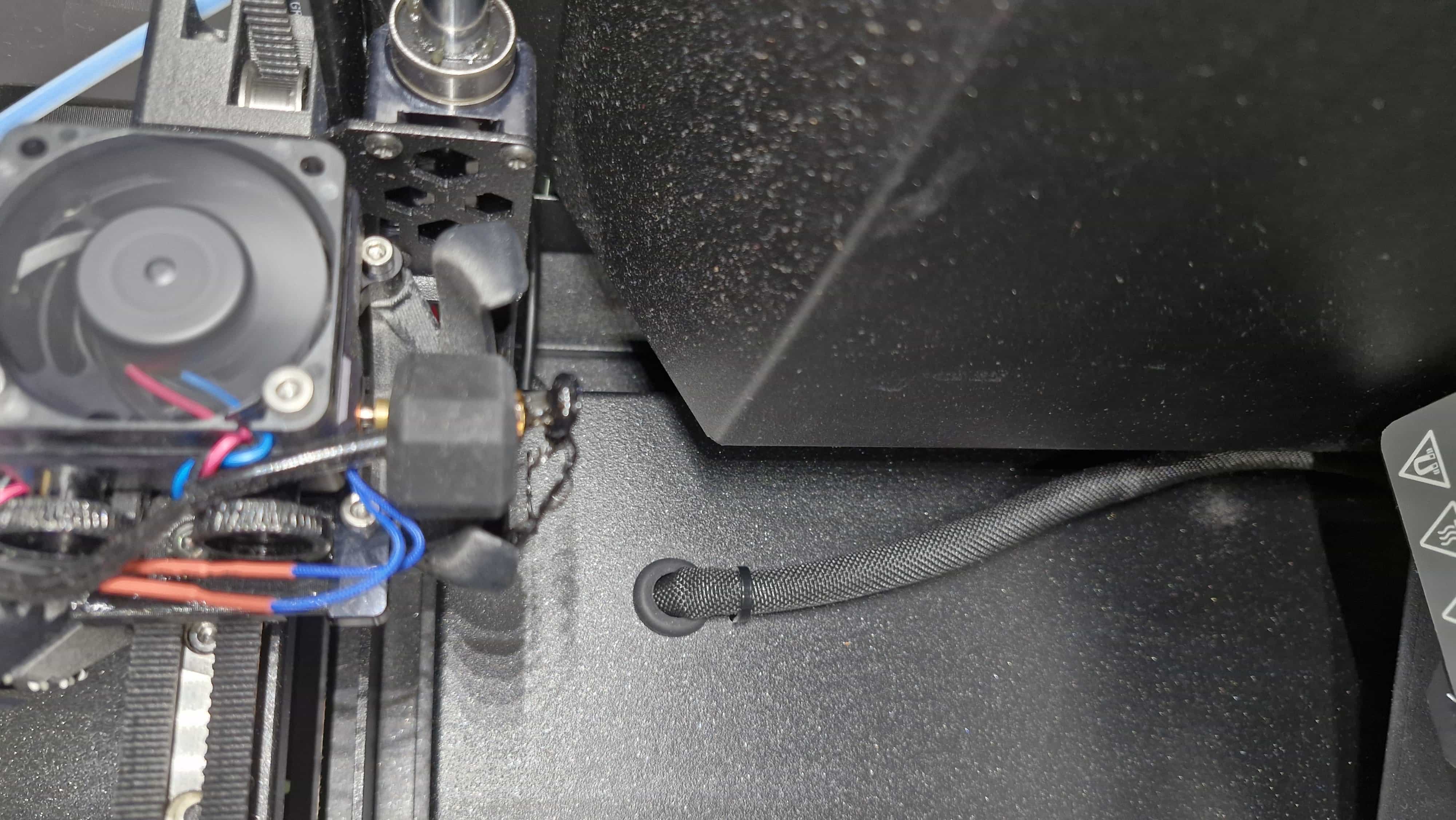
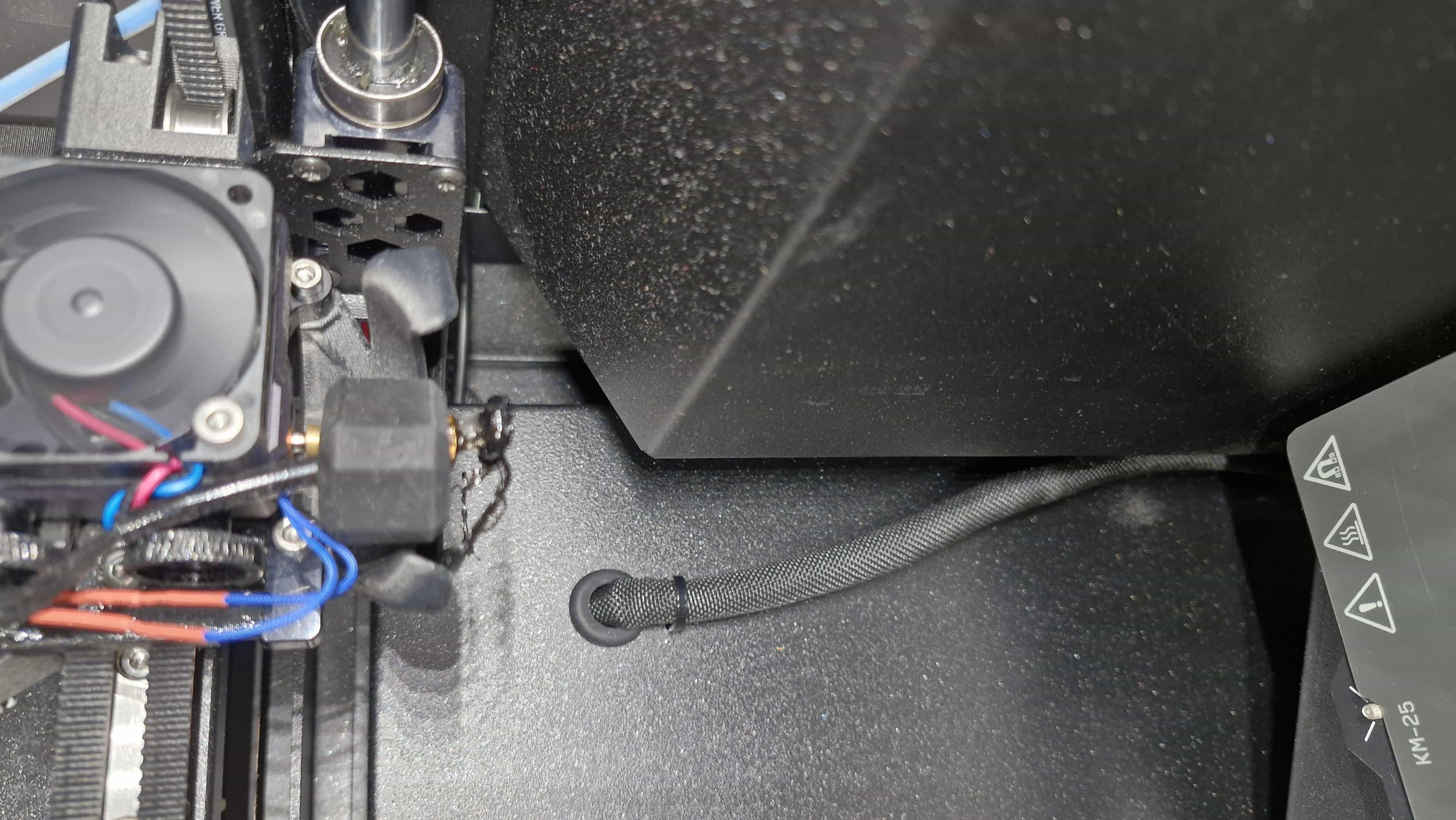
Nozzle cleaner mod using a Bambu A1 silicone nozzle brush
- I added custom start G-code so the nozzle cleans itself on the silicone brush before the default nozzle-cleaning routine
-
Corner snap blocks
- These close the gaps in the frame and help the chamber heat up faster
-
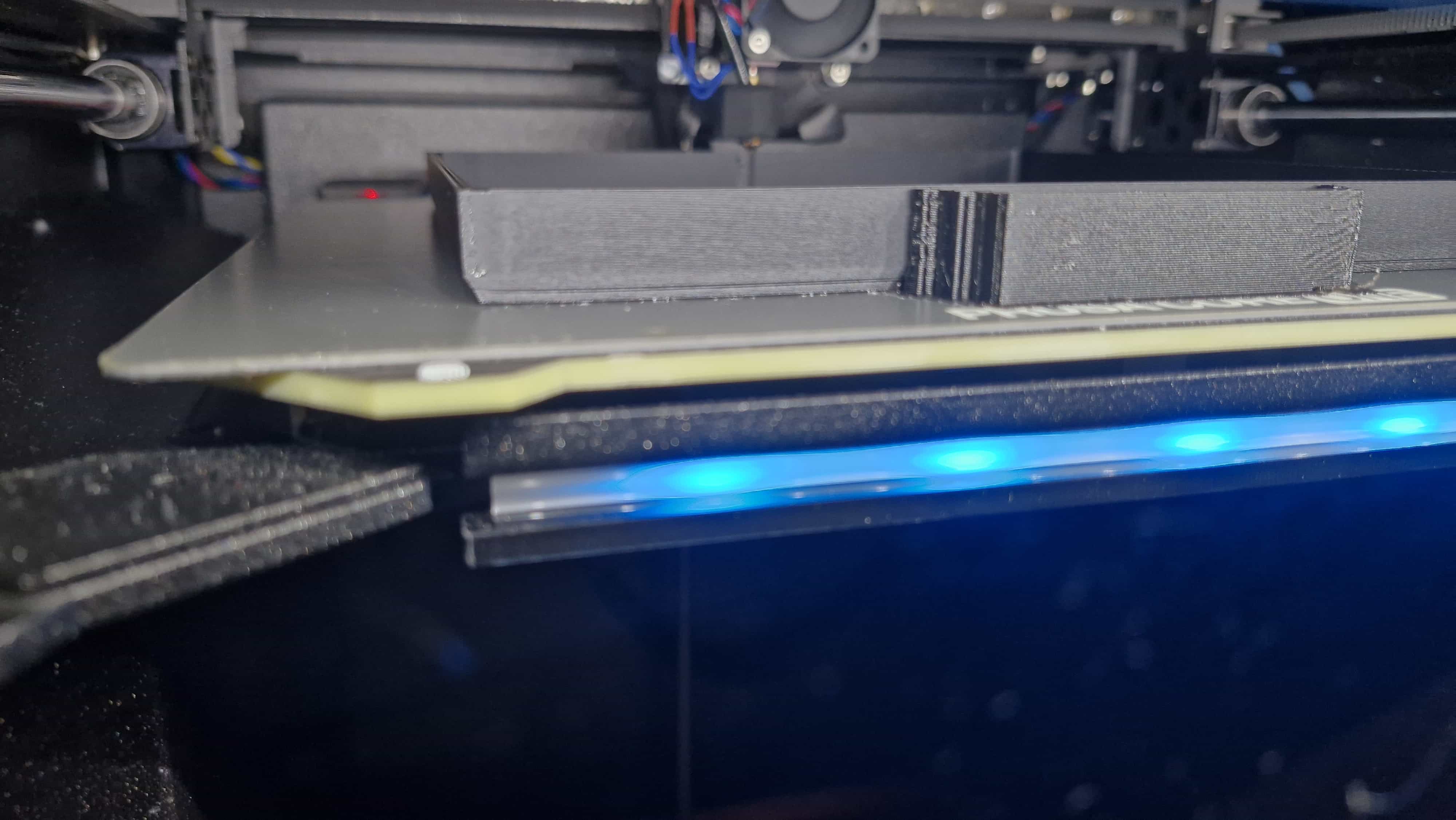
Anti-vibration feet using squash balls
- These reduce vibrations significantly
- As a bonus, an extra printed part lets you store build plates in the newly created space under the printer
-
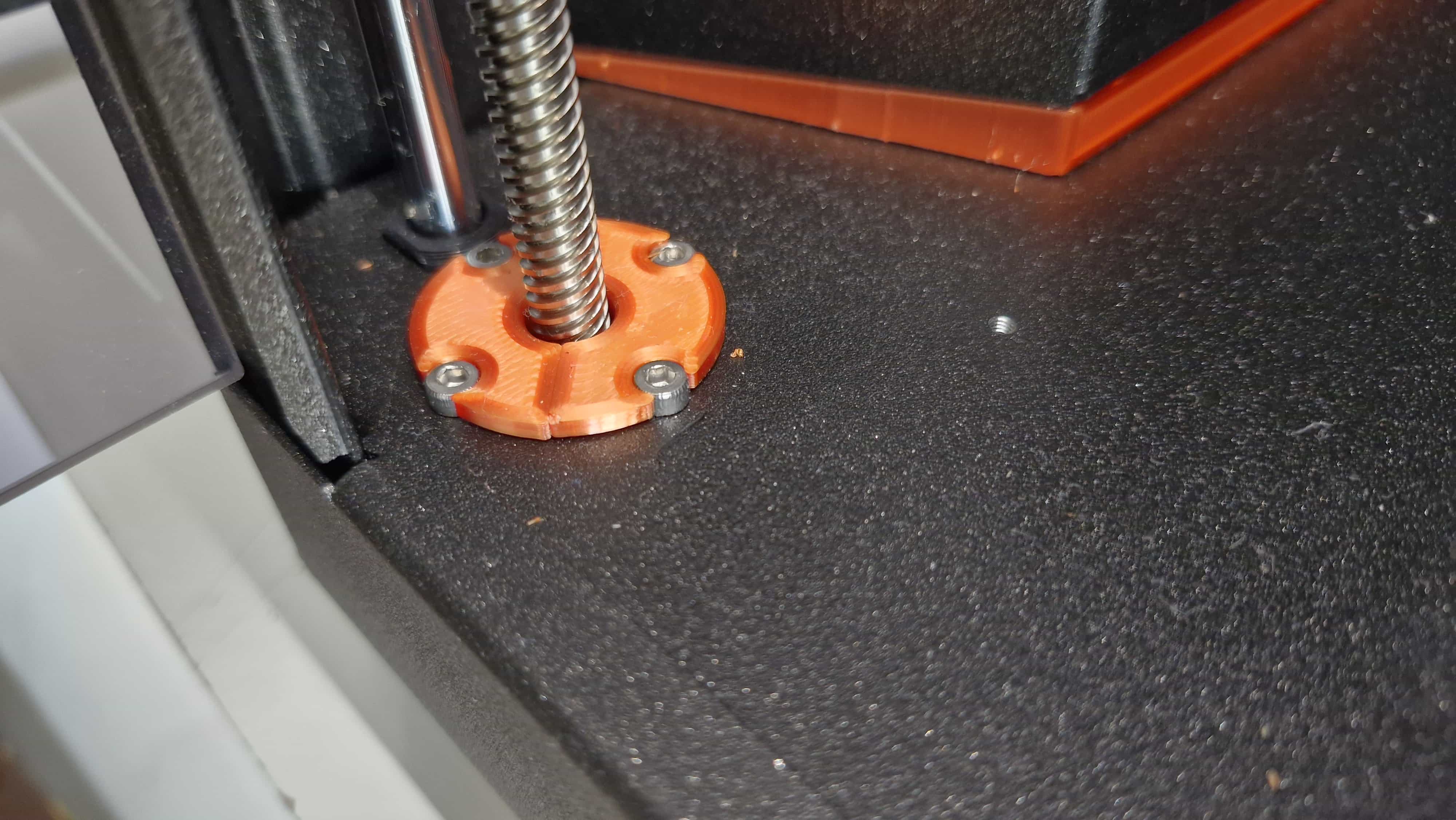
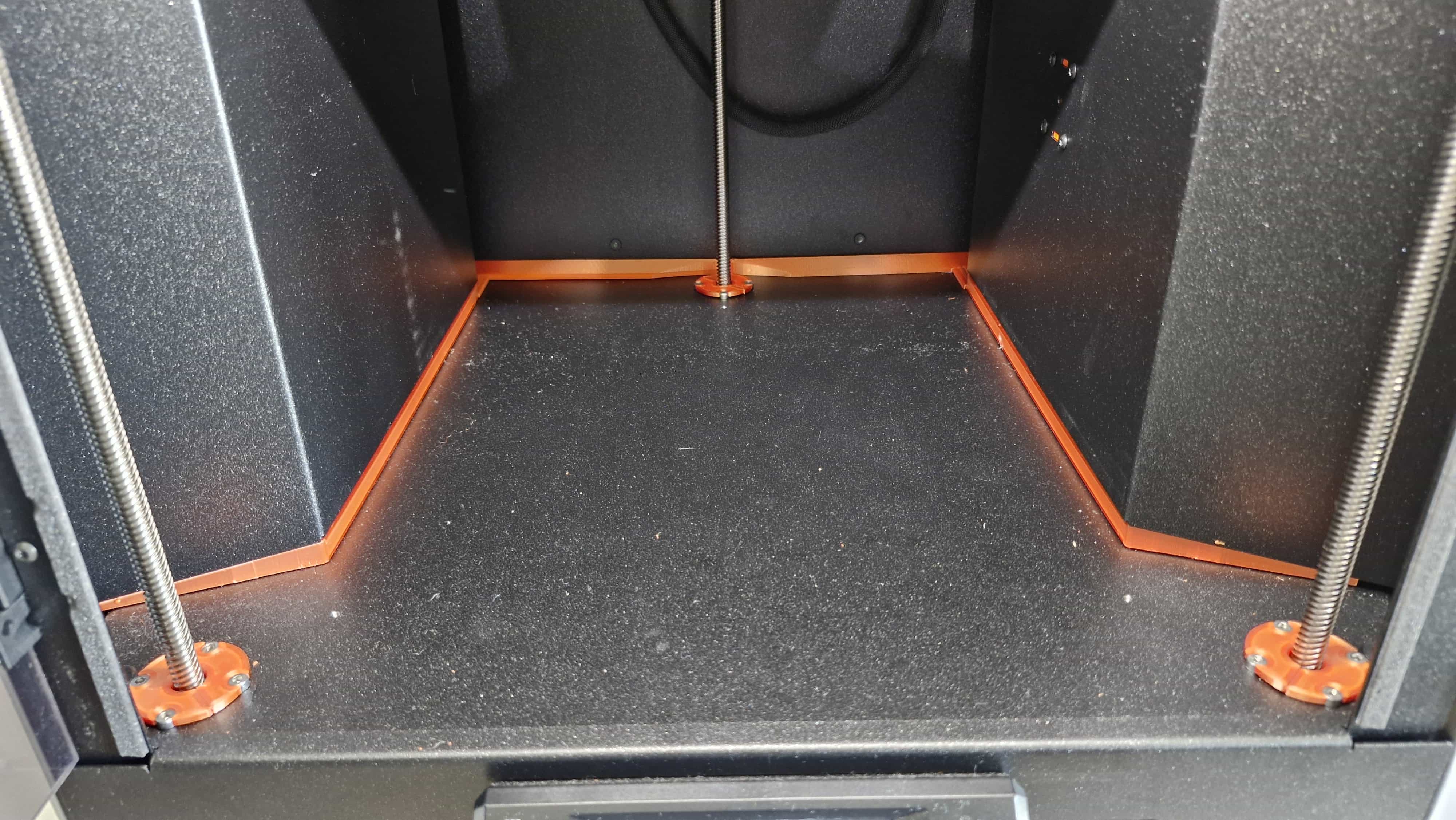
Dust covers
- These cover hard-to-reach areas inside the chamber and were among the very first add-ons I printed
I’ve also made a dedicated Printables collection for these mods.
Final Thoughts
Overall, I absolutely love the Prusa Core One. It’s fast, modular, upgradeable, and backed by a strong community. It feels like a machine I can grow with over time rather than replace.
In the next post, I’ll dive deeper into the GPIO hacker board and time-lapse setup.

















Archives
Tags